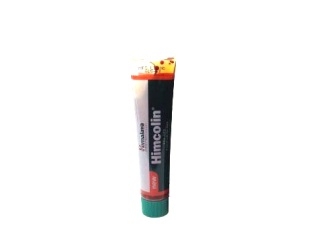
Himcolin (Himcolin) – Patient Guide for Australia
Himcolin is a medicine used to support digestive comfort and, in some situations, to help manage certain bowel-related symptoms. This page is written to help you understand what Himcolin is, how it works, how it’s typically taken, and what to consider for safe and effective use in Australia.
Important: Always read the Consumer Medicine Information (CMI) supplied with your product. If you are unsure whether Himcolin is suitable for you, speak with a pharmacist or other healthcare professional.
Basic product information
| Item | Details |
|---|---|
| Medicine name | Himcolin |
| Therapeutic use | Used to support digestive comfort and help manage certain bowel-related symptoms (refer to your product’s CMI for the exact indication) |
| Common formulation | Oral medicine (tablet or capsule, depending on brand/pack) |
| How it’s taken | Swallowed whole with water, typically by mouth as directed |
| Where to find official information | CMI included with the pack and available via Australian medicine resources |
Note: Formulation, strength, and exact indications may vary by product presentation. Please check the specific pack you have.
How Himcolin works (mechanism of action)
Himcolin is commonly used for digestive and bowel-related symptoms. While different products can contain different active ingredients, the general rationale for medicines in this category is to:
- Support normal gut function by acting within the digestive system.
- Help reduce uncomfortable bowel symptoms such as cramping or irregular bowel habits, depending on the cause.
- Promote a more comfortable digestive experience by targeting underlying mechanisms that contribute to discomfort.
What this means for you: People usually notice symptom relief within a short time frame when taken correctly, but the timing and response can vary depending on the reason for symptoms and your individual health.
Pharmacokinetics (how the body processes Himcolin)
Pharmacokinetics describes what the body does to a medicine—how it’s absorbed, distributed, metabolised, and eliminated.
For Himcolin, key points generally include:
- Absorption: After oral dosing, the medicine is absorbed through the gastrointestinal tract to reach its site of action.
- Onset: Some effect may begin soon after taking it, though full benefit can take longer depending on your symptoms and dose.
- Distribution: The active ingredient reaches target tissues involved in gut comfort and bowel function.
- Metabolism & elimination: The medicine is broken down and cleared from the body primarily through normal physiological pathways (exact details should be confirmed in the CMI for your specific strength/formulation).
Practical takeaway: Follow the dosing schedule closely. If you miss a dose, don’t double up—refer to the missed-dose instructions in the CMI.
Typical use and indications
Himcolin is typically used to relieve digestive discomfort and to help manage certain bowel-related symptoms such as:
- Discomfort related to gut irritation
- Symptoms associated with irregular bowel movements (as directed)
- Occasional digestive upset where a bowel-comfort medicine is appropriate
Always check your product’s CMI for the exact approved indication(s) and age limits. If your symptoms are severe or persistent, you may need a medical assessment to rule out causes that require different treatment.
Dosing: how to take Himcolin safely
Follow your pack instructions or the advice of your pharmacist. The dose for Himcolin depends on the product strength, your age, and the reason you’re taking it.
Typical adult dosing (general guidance)
Many oral digestive medicines are taken once or a few times daily, often spaced evenly throughout the day. However, because presentations can differ, you should confirm the exact dosing instructions in your CMI.
Common principles of safe dosing
- Take at the same times each day for best consistency.
- Swallow with water. Do not crush or chew unless the product is specifically designed for that.
- Use the lowest effective dose and review ongoing need if symptoms continue.
- Do not exceed the maximum daily dose stated on the label.
Children and special populations
Dosing for children and people with certain medical conditions may differ. Use only as directed for your age and seek professional advice if you’re unsure.
If you are pregnant, planning pregnancy, breastfeeding, or have liver/kidney disease: check the CMI and ask a healthcare professional for personalised guidance.
Timing: when to take Himcolin
Many people prefer to take Himcolin at a consistent time of day. The “best” timing can depend on the specific formulation and your symptom pattern.
- With a meal or after food: Some digestive medicines are gentler on the stomach when taken with food.
- Before meals: Others are used before eating to help with symptoms that occur after meals.
Check your CMI for the recommended timing. If you’re using Himcolin for occasional symptoms, take it as directed when symptoms start.
Food interactions
Food may affect how comfortable the experience is and, in some cases, how quickly a medicine works. With many digestive medicines:
- Taking with food may reduce stomach upset.
- Very heavy, fatty meals can slow digestion and potentially delay symptom improvement.
What to do: Follow the timing instructions in the CMI. If your symptoms follow meals, consider taking the medicine exactly as advised relative to meals rather than adjusting it arbitrarily.
Alcohol and medicine interactions
Alcohol can worsen digestive irritation for many people and may also increase the chance of side effects such as dizziness or stomach discomfort, depending on the active ingredient and your health.
General recommendations
- Avoid or limit alcohol while you’re taking Himcolin, especially if you notice your symptoms worsen after drinking.
- If you choose to drink, do so cautiously and do not take additional doses to “compensate” for symptoms.
Other medicines
Himcolin may interact with other medicines indirectly through effects on digestion or via overlapping side effects. To reduce risk:
- Tell your pharmacist about all medicines you take, including prescription medicines, over-the-counter products, vitamins, and herbal supplements.
- Pay special attention if you are taking medicines that affect the gut, bowel movement patterns, or have sedating effects.
Safety profile: side effects and when to get help
Most people tolerate Himcolin well. However, like all medicines, it can cause side effects.
Common side effects
Side effects can vary by person and by formulation. Possible effects may include:
- Mild stomach discomfort or nausea
- Changes in bowel movements
- Headache or dizziness (less commonly)
Serious side effects – seek medical advice urgently
Stop using the medicine and seek urgent medical help if you experience:
- Allergic reaction signs such as swelling of the face/lips, difficulty breathing, or widespread rash
- Severe or persistent abdominal pain
- Blood in stool, black/tarry stools, or vomiting blood
- High fever or signs of dehydration
- Symptoms that worsen rather than improve
When to talk to a pharmacist promptly
- If you need Himcolin for more than a short period
- If you have recurring symptoms
- If you have chronic bowel conditions or are older and symptoms are new
Practical use tips for best results
These tips can help you use Himcolin effectively and safely:
- Track your symptoms: note when symptoms start, what you ate, and whether you took your dose correctly.
- Stay hydrated: good fluid intake supports overall digestive comfort.
- Consider diet and triggers: some people find that spicy foods, high-fat meals, and large portions worsen symptoms.
- Use alongside lifestyle measures: regular meals, gentle activity, and adequate sleep can support gut function.
- Don’t mask red flags: if you have severe pain, persistent vomiting, fever, weight loss, or blood in stool, seek medical attention instead of continuing self-management.
How long should you try it?
Many digestive medicines are used for short-term symptom relief. If you do not notice improvement within the timeframe described in the CMI or if symptoms persist, consult a pharmacist or doctor for reassessment.
Missed dose and overdose information
Missed dose
- If you miss a dose, take it when you remember unless it’s close to the next dose.
- Do not double up.
- Follow the instructions in the CMI for your specific product.
Overdose
Taking more than the recommended dose can increase the risk of side effects. If you suspect an overdose:
- Contact Poisons Information Centre (Australia) or seek urgent medical care.
- Have the product packaging available.
Alternative options (if Himcolin isn’t right for you)
If your symptoms don’t improve or if you prefer different approaches, other options may be considered depending on the cause of your symptoms. Alternatives can include:
- Other digestive symptom medicines: some products are designed for bloating, gas, cramping, diarrhoea, or constipation.
- Osmotic laxatives or stool softeners (for constipation, if appropriate)
- Antidiarrhoeal agents (for short-term diarrhoea in selected circumstances)
- Probiotics and dietary adjustments (supportive for some people, particularly with recurrent gut upset)
- When needed: medical assessment if symptoms are persistent or suggest an underlying condition such as infection, inflammatory bowel disease, or food intolerance.
Tip: A pharmacist can help you choose the most suitable option based on your specific symptoms (for example: constipation vs diarrhoea vs cramping).
Market and legal context for Australia
In Australia, medicines are regulated to ensure quality, safety, and appropriate use. Key points include:
- Therapeutic Goods Administration (TGA): Medicines sold in Australia generally have TGA approval or are exempt/registered according to regulatory category.
- Labelling requirements: Products must include consumer information (CMI), dosage instructions, and safety warnings on the packaging or accompanying materials.
- Online supply: Australian online pharmacies must comply with relevant state and federal rules governing supply, identity checks (where applicable), and product authenticity.
For the most current product details—such as active ingredient, exact strength, indications, and dosing—refer to the official CMI and the pack label for your specific Himcolin product.
Recent guidance and “what to watch for”
While recommendations can change over time, common guidance relevant to gut symptom medicines includes:
- Use symptom relief short-term and seek advice if symptoms continue.
- Do not ignore red flags (blood in stool, severe pain, fever, unexplained weight loss).
- Review interactions and underlying causes, especially if you have chronic health conditions or take multiple medicines.
- Maintain hydration if bowel symptoms involve diarrhoea.
If you’re unsure how long it’s safe for you to use Himcolin, ask a pharmacist for advice based on your history.
Delivery and availability (Australia)
Availability can vary by strength and pack size. When you order online, a typical process may include:
- Order confirmation: You’ll receive confirmation once your payment is processed.
- Dispatch: Orders are usually dispatched within business days (timing depends on stock and warehouse location).
- Delivery: Standard and express options may be available, depending on your address.
- Tracking: Many orders include tracking or delivery updates.
Storage: Keep the product in a cool, dry place, away from direct sunlight, and out of reach of children. Check the pack for storage instructions.
Himcolin FAQ
1) What is Himcolin used for?
Himcolin is used to support digestive comfort and help manage certain bowel-related symptoms. The exact approved indication(s) depend on the specific product and should be confirmed in your CMI.
2) How quickly will it work?
Some people may notice relief soon after taking it. Others may need more time, particularly if symptoms are ongoing or triggered by meals. If you don’t notice improvement within the timeframe in the CMI, speak with a pharmacist.
3) Can I take Himcolin with food?
It depends on the product’s instructions. Many digestive medicines can be taken with or after food to improve comfort, but you should follow the CMI for the recommended timing.
4) Is it safe to take Himcolin with other medicines?
Many people can take digestive medicines alongside other treatments, but interactions can occur. Tell your pharmacist about all medicines you take, including supplements and herbal products.
5) Can I drink alcohol while using Himcolin?
It’s generally best to limit or avoid alcohol, as it may worsen digestive symptoms and increase the chance of side effects. If you do drink, do so cautiously and avoid taking extra doses.
6) Who should not use Himcolin?
Some people—such as those with specific medical conditions, allergies to ingredients, or special circumstances like pregnancy/breastfeeding—may need different advice. Always check the CMI and speak to a pharmacist if you have any concerns.
7) What if I miss a dose?
Take it when you remember unless it’s nearly time for your next dose. Do not double up. Refer to your CMI for exact missed-dose instructions.
8) What side effects might happen?
Possible side effects can include mild gastrointestinal discomfort or changes in bowel habits. Seek urgent help for severe allergic reactions or serious symptoms such as blood in stool, severe pain, or persistent fever.
9) When should I see a doctor?
Seek medical advice urgently if you have red-flag symptoms such as blood in stool, severe or worsening abdominal pain, fever, dehydration, or unexplained weight loss. If symptoms persist despite appropriate use, consult a healthcare professional.
10) Are there alternatives to Himcolin?
Yes, depending on your symptoms. Options can include other digestive symptom treatments, stool-related remedies, and dietary approaches. A pharmacist can help you choose the most appropriate alternative.
Disclaimer: This guide is for general patient information and does not replace the advice in the Consumer Medicine Information (CMI) or guidance from a healthcare professional. If you’re unsure about your symptoms or which treatment is right for you, ask a pharmacist.