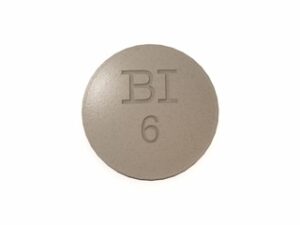
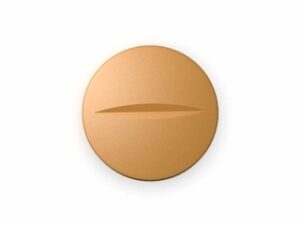
Beloc (Metoprolol) — Patient-Friendly Medicine Information (Australia)
Beloc is a brand of metoprolol, a medicine used for a range of heart and blood-pressure conditions. This page explains how Beloc works, how it’s used, common safety considerations, and practical tips to help you take it confidently. Information is general and may not replace advice from your doctor or pharmacist.
Quick overview
- Active ingredient: Metoprolol
- Common forms: Tablets (including immediate-release and modified-release formulations)
- Typical uses: High blood pressure, angina (chest pain), and certain heart-rate/heart-rhythm conditions
- How it works: Slows the heart rate and reduces the heart’s workload
- Key safety points: Don’t stop suddenly; be cautious with other medicines that affect heart rate or blood pressure
- Alcohol: Can increase dizziness and lower blood pressure when combined with metoprolol
Basic product information
Beloc contains metoprolol, belonging to a group of medicines called beta-blockers. Beta-blockers help the body’s “fight or flight” signalling (mediated by adrenaline) work less strongly on the heart.
In Australia, metoprolol products are supplied under various brand names and strengths. Your exact dose and formulation should be confirmed on your packaging (e.g., tablet strength and whether it is immediate-release or modified-release).
What you may notice in practice
- Some people feel more relaxed as the heart rate slows, particularly if they were experiencing palpitations.
- In the first days to weeks, mild side effects such as tiredness, dizziness, or a slower pulse may occur.
- Effects may be gradual, especially for blood pressure and long-term angina control.
How Beloc works (mechanism of action)
Metoprolol is a beta-1 selective beta-blocker (often described as “cardioselective”). It works mainly by blocking beta-1 receptors in the heart. This leads to:
- Reduced heart rate (slower beating)
- Lower force of heart contraction (reduced workload)
- Reduced oxygen demand by the heart muscle
- Lower blood pressure over time
Because the heart is working less hard, Beloc can help reduce symptoms like chest pain (angina) and palpitations, and it can support long-term cardiovascular risk reduction in selected patients.
Pharmacokinetics: how the body processes metoprolol
Pharmacokinetics describes how a drug is absorbed, distributed, metabolised, and eliminated. Key points for metoprolol include:
- Absorption: Metoprolol is absorbed after oral administration. The timing and pattern of release depend on whether your tablet is immediate-release or modified-release.
- Peak levels: Immediate-release formulations generally reach peak blood levels sooner; modified-release formulations release more slowly over the day.
- Distribution: Metoprolol distributes throughout the body, including into tissues where it affects heart rate.
- Metabolism: It is metabolised primarily by the liver (via enzyme pathways involving CYP enzymes). This means liver function and certain interacting medicines can influence metoprolol levels.
- Elimination: Metoprolol and its metabolites are excreted mainly via the kidneys.
What this means for you: If you have liver disease or take other medicines that affect liver enzymes, your pharmacist or doctor may monitor your response more closely and adjust the dose if needed.
Typical uses and indications
Beloc (metoprolol) is used in a range of cardiovascular conditions, including:
- High blood pressure (hypertension): Helps lower blood pressure and reduce cardiovascular risk.
- Angina (chest pain): Reduces the heart’s demand for oxygen and can help prevent or lessen angina episodes.
- Abnormal heart rhythms: Often used for rate control in certain arrhythmias (your clinician will specify the exact rhythm condition).
- Heart-related symptoms with fast heart rate: Such as palpitations associated with overactive heart rate signals.
Important: The best use and dose depend on your diagnosis, your heart rate and blood pressure, and your other medical conditions (including asthma/COPD history and other medications).
Dosing: how Beloc is usually taken
Metoprolol dosing varies widely depending on the condition being treated, the formulation (immediate-release vs modified-release), age, and how you respond.
| Condition (examples) | General approach | Notes |
|---|---|---|
| Hypertension | Starting dose then adjustment based on blood pressure response | May be once or twice daily depending on formulation |
| Angina | Gradual titration to a heart rate and symptom control target | Consistent dosing is important for symptom prevention |
| Rate control in arrhythmias | Dose adjusted according to heart rate and tolerance | Clinicians may monitor pulse and ECG parameters |
How to take it:
- Take it at the same times each day to keep a stable effect.
- Do not crush or chew if your tablet is modified-release—check the label or packaging instructions.
- If you miss a dose, take it when you remember unless it is close to the next dose. Do not take a double dose.
Do not stop suddenly: Stopping beta-blockers abruptly can cause chest pain, increased heart rate, or other withdrawal-type effects. If stopping is needed, it is usually done by gradual dose reduction under medical supervision.
Timing: when Beloc works best
Timing depends on your formulation:
- Immediate-release tablets: Often taken multiple times per day. Follow your specific schedule.
- Modified-release tablets: Often taken once daily (or as directed), releasing medication gradually.
Practical timing tips:
- If you feel dizzy or
- Consistent timing helps keep heart rate and blood pressure effects steady.
Food interactions
For many people, metoprolol can be taken with or without food. However:
- Food may affect absorption, particularly for certain formulations.
- If you notice changes in how you feel after meals, keep dosing consistent (e.g., always with breakfast or always on an empty stomach) unless your healthcare professional recommends otherwise.
Grapefruit and similar products: Some medicines interact with grapefruit by affecting liver enzyme activity. While metoprolol interactions vary by substance and formulation, it’s safest to avoid large, consistent grapefruit intake unless your pharmacist confirms it’s fine for you.
High-fibre supplements and antacids: These don’t always cause major issues, but they can influence absorption for some medicines. If you use these, ask your pharmacist about spacing recommendations.
Alcohol and medicine interactions
Alcohol
Alcohol can intensify the effects of metoprolol, potentially leading to:
- Dizziness or light-headedness
- Low blood pressure symptoms (especially when standing)
- Increased fatigue
Patient-friendly suggestion: If you drink alcohol, keep it moderate and observe how you feel. Avoid binge drinking. If you have low blood pressure, heart failure symptoms, or are prone to fainting, ask your clinician for guidance.
Other medicine interactions (important)
Tell your pharmacist about all medicines and supplements you take, including over-the-counter products. Notable interaction categories include:
- Other medicines that slow the heart: Some heart-rate controlling medicines (e.g., certain calcium channel blockers) may increase risk of bradycardia (slow pulse).
- Antiarrhythmics: Some rhythm medicines can affect electrical conduction and heart rate.
- Medicines affecting blood pressure: Combining multiple blood-pressure-lowering medicines may increase dizziness or falls, especially when starting therapy.
- Medicines that affect liver enzymes: Some medicines can raise or lower metoprolol levels, changing the strength of its effect.
- Diabetes medicines and hypoglycaemia awareness: Beta-blockers can mask some warning signs of low blood sugar (like fast heartbeat). Monitor glucose carefully if you use insulin or diabetes tablets.
- Non-steroidal anti-inflammatory drugs (NSAIDs): Regular NSAID use can sometimes reduce blood pressure-lowering effects or affect kidney function in susceptible people—ask your pharmacist if you take them frequently.
Cold/flu and decongestant medicines: Some products contain agents that may raise blood pressure or affect heart rhythm. Ask your pharmacist before using decongestants.
Asthma/COPD medicines: Because metoprolol is relatively beta-1 selective, it’s often better tolerated than non-selective beta-blockers, but high doses or individual sensitivity may still affect airways. If you have asthma or COPD, speak with your clinician before starting or changing dose.
Safety profile: who should be careful
Most people tolerate metoprolol well, but it may not be suitable for everyone. Potential side effects and safety considerations include:
Common side effects
- Tiredness or reduced exercise tolerance
- Dizziness, especially when standing (postural hypotension)
- Slow heart rate (bradycardia)
- Cold hands or feet
- Headache or sleep changes
Serious side effects (seek urgent help)
Contact emergency services or urgent medical care if you experience:
- Fainting or severe dizziness
- Very slow pulse with weakness or breathlessness
- Worsening shortness of breath, wheezing, or difficulty breathing
- Severe allergic symptoms (swelling of face/lips, hives, trouble breathing)
- Chest pain that is new, worsening, or associated with other worrying symptoms
Special populations
- Older adults: May be more prone to dizziness or low blood pressure. Dose adjustments may be needed.
- People with liver disease: Metabolism may be affected—monitoring may be required.
- People with kidney disease: Elimination may be altered; your clinician may monitor kidney function.
- Diabetes: Watch for hypoglycaemia; symptoms may be less noticeable.
Warnings to remember
- Do not stop abruptly. Tapering is usually safer.
- Be cautious driving if you feel dizzy during the start of treatment or dose changes.
- Monitor pulse if advised. Report symptoms of overly slow heart rate (e.g., fatigue, faintness).
Practical use tips (making treatment easier)
- Keep a simple routine: Choose a consistent time and use a pill organiser if helpful.
- Track symptoms: Note blood pressure readings (if you monitor at home), heart rate, and any dizziness or fatigue—especially during the first few weeks after dose changes.
- Stay hydrated: Dehydration can worsen dizziness and low blood pressure.
- Rise slowly: If you feel light-headed, stand up slowly from sitting or lying positions.
- Exercise safely: If your exercise tolerance changes, gradually increase activity and discuss concerns with your clinician.
- Carry a medication list: Include metoprolol and any other heart-rate/blood pressure medications.
Alternative options (if Beloc isn’t right for you)
Depending on your condition and medical history, your clinician may consider other beta-blockers or alternative medicines. Examples include:
- Other beta-blockers: e.g., atenolol, bisoprolol, carvedilol (choice depends on your diagnosis and tolerability).
- Blood pressure medicines from other classes: e.g., ACE inhibitors, angiotensin receptor blockers (ARBs), calcium channel blockers, thiazide-type diuretics.
- Anti-angina options: Some people may use medicines that reduce chest pain through different pathways (your clinician can tailor this).
Why alternatives matter: If you experience side effects such as significant fatigue, bradycardia, or breathing symptoms, your healthcare professional can help identify an option that best matches your heart rate, blood pressure, and overall risk profile.
Beloc in the Australian market: legal and guidance context
In Australia, cardiovascular medicines like metoprolol are regulated within the Therapeutic Goods framework. Supply may require appropriate pharmacist involvement depending on the product formulation and classification. Patients are encouraged to use medicines as directed and to follow safety information on the label and consumer medicine information (CMI).
Recent guidance (general themes): Australian clinicians typically emphasise:
- Individualised dosing: Starting low and titrating carefully based on heart rate, blood pressure, and symptoms.
- Monitoring: Watching for bradycardia, hypotension, and tolerability—especially after dose changes.
- Appropriate use in cardiovascular disease: Beta-blockers are used in selected conditions, particularly where there is evidence of benefit for heart-related outcomes.
- Avoiding abrupt cessation: Gradual tapering is important to reduce rebound effects.
Always check your CMI (Consumer Medicine Information) for the specific instructions for your exact product strength and formulation.
Delivery and availability (online pharmacy)
Availability may vary by stock levels, tablet strength, and formulation (immediate-release vs modified-release). When ordering through an online pharmacy in Australia:
- Choose the exact product strength and form listed on your prescription packaging or label.
- Allow processing and delivery time shown at checkout.
- Keep medicines in a cool, dry place, away from direct sunlight.
- If you need urgent medication, contact customer support to confirm current dispatch times.
Tip: If you’re travelling, ensure you have a sufficient supply and keep tablets in their original packaging.
FAQ: Beloc (Metoprolol)
1) What is Beloc used for?
Beloc (metoprolol) is used for conditions such as high blood pressure, angina, and certain heart rhythm or rate-control needs. Your clinician selects it based on your diagnosis and overall cardiovascular risk.
2) How long does it take to work?
Some effects, like lowering heart rate, may occur relatively quickly after starting. Blood pressure and angina prevention often take days to weeks to fully stabilise. If you are adjusting dose, effects may change over several days.
3) Should I take Beloc with food?
Many people can take metoprolol with or without food. However, consistency is important. If you find that you feel better taking it with meals, continue that pattern unless your pharmacist advises otherwise.
4) Can I drink alcohol while taking Beloc?
Alcohol may increase dizziness and lower blood pressure. If you drink, keep it moderate and pay attention to how you feel. Avoid driving if alcohol makes you dizzy.
5) What side effects are most common?
Common side effects include tiredness, dizziness, a slower pulse, headache, and cold hands/feet. These often improve as your body adjusts, but persistent or severe symptoms should be discussed with a healthcare professional.
6) What if I miss a dose?
Take it when you remember unless it’s close to the next dose. Do not take a double dose. If you frequently miss doses, consider using a reminder or pill organiser and speak with your pharmacist.
7) Can I stop taking Beloc suddenly?
No—stopping abruptly can cause problems such as worsening chest pain or rapid heart rate. If stopping is necessary, doses are usually reduced gradually with guidance from a clinician.
8) Is it safe for people with asthma or COPD?
Metoprolol is beta-1 selective, which may reduce—but not eliminate—airway effects. People with asthma or COPD should be assessed carefully. If you have breathing problems, discuss your history with your pharmacist or doctor.
9) Does Beloc affect exercise?
Some people notice reduced exercise tolerance, especially early on. As your body adjusts, capacity may improve. If you experience significant breathlessness, chest discomfort, or faintness with activity, seek medical advice.
10) Are there foods or supplements I should avoid?
Large or consistent grapefruit intake may affect some medicines metabolised in the liver. Keep your diet consistent and ask your pharmacist about grapefruit or any supplements you take regularly.
11) What medicines commonly interact with metoprolol?
Interactions can occur with other medicines that slow the heart, certain heart rhythm medicines, blood pressure medicines, some diabetes medicines (masking hypoglycaemia warning signs), NSAIDs (in some situations), and medicines affecting liver enzymes. Always check with your pharmacist.
12) How should I store Beloc tablets?
Store in the original packaging, at room temperature in a cool, dry place, away from moisture and sunlight. Keep out of reach of children.
When to seek help
Contact a healthcare professional promptly if you develop concerning symptoms such as fainting, severe dizziness, worsening shortness of breath, significant swelling, or chest pain. If symptoms are severe or sudden, seek urgent care.
Always read the Consumer Medicine Information (CMI) that comes with your specific Beloc product for additional guidance tailored to your tablet formulation and strength.