


Androxal (Enclomiphene) — Patient Information (Australia)
Androxal is a medicine containing enclomiphene, a selective oestrogen receptor modulator (SERM). It is used to help men produce their own testosterone by supporting the brain–pituitary–testes signalling pathway. This page provides an easy-to-understand overview of how Androxal works, how it’s used, and what to consider for safe, effective use in Australia.
| Product | Androxal (Enclomiphene) |
|---|---|
| Active ingredient | Enclomiphene |
| Medicine type | Selective oestrogen receptor modulator (SERM) |
| Common goal | Improve testosterone levels by stimulating the body’s own production |
| How it works | Blocks oestrogen feedback at the hypothalamus/pituitary |
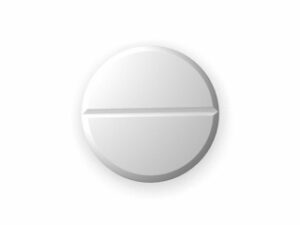
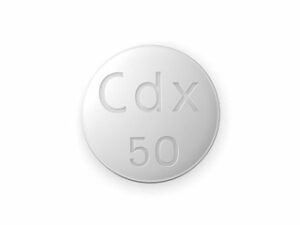
| Typical form | Oral tablet/capsule (strength varies by brand/pack) |
| Key time factors | Effects build over weeks; monitoring may be required |
Basic product information
Androxal contains enclomiphene, an orally active medicine designed to influence hormone signalling. Unlike direct testosterone replacement, enclomiphene helps the body increase natural testosterone production by altering how the brain senses oestrogen levels.
In Australia, availability and listing status can vary by supplier and product registration. Some SERMs and enclomiphene products may be prescribed for specific clinical situations, depending on local regulatory status and prescriber guidance.
How Androxal works (mechanism of action)
To understand Androxal, it helps to know the “feedback loop” that controls testosterone:
- The hypothalamus releases gonadotropin-releasing hormone (GnRH).
- The pituitary gland responds by releasing luteinising hormone (LH) and follicle-stimulating hormone (FSH).
- LH and FSH stimulate the testes to produce testosterone and support sperm production.
- As oestrogen levels rise (including oestrogen formed from testosterone), the brain reduces GnRH/LH/FSH signals—this is called oestrogen feedback.
Enclomiphene is a SERM. It selectively blocks oestrogen receptors in key brain areas involved in feedback regulation. The brain “interprets” the situation as if oestrogen signalling is lower, which can lead to:
- Increased GnRH signalling
- Higher LH and FSH from the pituitary
- Increased testosterone production by the testes
- Potential improvement in related measures such as libido, energy, and sometimes sperm parameters in suitable individuals (response varies)
Important: This medicine does not replace testosterone directly. Results depend on an individual’s baseline endocrine function and testicular responsiveness.
Pharmacokinetics (how the body handles the medicine)
Pharmacokinetics describe what happens after you take a dose—how the body absorbs, distributes, metabolises, and clears the medicine.
- Absorption: Enclomiphene is taken by mouth and absorbed through the gastrointestinal tract.
- Time to effect: Hormonal changes are not usually immediate. Typical testosterone improvements take weeks rather than days, as the pituitary–testes axis responds and stabilises.
- Half-life: Enclomiphene has a relatively long duration in the body, contributing to gradual onset and sustained effects. This also means dose adjustments take time to reflect in lab results.
- Metabolism and clearance: Metabolism occurs primarily in the liver; metabolites are eliminated through normal bodily pathways.
Practical implication: Because the medicine persists for a while, it’s important to follow monitoring schedules and not expect rapid change after a single dose.
Typical use and indications
Androxal/enclomiphene is commonly used in clinical practice for men who have low testosterone due to a problem with endocrine signalling (often described as hypogonadotropic hypogonadism or related conditions), particularly when preserving testicular function and/or fertility is a goal.
Indications may include:
- Biochemically confirmed low testosterone with symptoms such as reduced libido, erectile dysfunction, fatigue, or reduced muscle mass.
- Situations where clinicians aim to stimulate endogenous testosterone rather than provide direct testosterone therapy.
- Selected cases where fertility preservation is relevant (individual response varies and requires appropriate assessment).
Note: Low testosterone can have many causes (e.g., primary testicular failure, metabolic conditions, medications, pituitary disorders). Androxal may not be suitable for all causes, and baseline evaluation is important.
Who should be cautious
You should discuss your personal situation with a healthcare professional before using enclomiphene, especially if you have:
- Liver disease or abnormal liver function tests
- History of blood clots or clotting disorders (hormone-related changes may affect risk)
- Hormone-sensitive cancers or serious concerns about malignancy risk (oestrogen receptor modulation may be relevant)
- Visual symptoms (as a precaution with medicines affecting oestrogen receptors)
- Significant cardiovascular disease or unmanaged cardiovascular risk factors
Always seek prompt medical advice if you develop severe or unusual symptoms such as chest pain, sudden shortness of breath, sudden vision changes, or signs of blood clots.
Dosing: general guidance (individualised)
Dosing can vary based on clinical assessment, blood test results, and response. The information below is provided as general guidance commonly used in practice; your exact regimen should be determined based on your clinician’s plan.
- Typical start: Often a daily dose with reassessment after blood tests.
- Adjustment: Dose may be modified based on testosterone levels, LH/FSH, symptoms, and any side effects.
- Target and monitoring: The goal is usually to bring testosterone into an appropriate range while minimising adverse effects.
Do not change your dose without advice. Because of the medicine’s long duration, adjustments take time to fully show up in blood work.
When to take it and timing tips
Enclomiphene is taken by mouth, typically once daily in many regimens. To help you maintain consistent levels:
- Choose a time that you can stick to daily (morning or evening both may work depending on how you feel).
- Take it around the same time each day.
- If you miss a dose, take it when you remember unless it’s close to the next dose—then skip the missed dose and continue your normal schedule.
- Keep track of your doses and any symptoms, especially during the first few weeks.
Food interactions: what to know
Food interactions are generally considered limited, but individual tolerance can vary.
- Many people take enclomiphene with or without food. If stomach upset occurs, taking it with a meal may help.
- Grapefruit and grapefruit juice: Some medicines interact with substances in grapefruit that affect drug metabolism. Although specific data for enclomiphene may be limited, it’s sensible to avoid grapefruit or discuss it with your pharmacist/doctor.
- Stay consistent with meals and timing so it’s easier to track effects.
If you take other medicines regularly, it’s a good idea to review your complete list with a healthcare professional to check for interactions.
Alcohol and medicine interactions
Alcohol can affect hormone health, energy levels, sleep quality, and in larger amounts can influence liver function. Because enclomiphene is processed by the liver, it’s prudent to consider alcohol carefully.
- Moderation is advised: If you drink alcohol, keep it moderate and avoid binge drinking.
- Liver concerns: If you have abnormal liver tests or liver disease, alcohol should be avoided unless your clinician says otherwise.
- Symptom overlap: Alcohol may worsen fatigue, mood changes, or sexual function—making it harder to tell whether these symptoms are from the medicine or lifestyle factors.
If you are unsure how much alcohol is safe for you, ask a healthcare professional.
Safety profile: side effects and warning symptoms
As with any medicine, Androxal/enclomiphene may cause side effects. Many people tolerate SERMs reasonably well, but monitoring and early attention to symptoms are important.
Common or possible side effects
- Headache
- Nausea or stomach discomfort
- Hot flushes or temperature sensitivity
- Changes in mood (e.g., irritability)
- Changes in vision (any new or persistent visual disturbance should be assessed)
- Fatigue or altered sleep patterns
Less common but important risks
- Blood clot risk (seek urgent care for chest pain, sudden breathlessness, leg swelling/pain, or stroke-like symptoms)
- Worsening of certain hormone-sensitive conditions (discuss your cancer or serious hormone history)
- Changes in liver function (clinicians may monitor liver enzymes)
- Gynecomastia (breast tissue enlargement/tenderness). Though SERMs can influence oestrogen signalling, hormone shifts can still occur, and individual responses vary.
What to do if you experience side effects
- For mild side effects, speak with a pharmacist or clinician to discuss whether dose adjustment or supportive steps are needed.
- If you experience severe symptoms or warning signs (vision changes, clot symptoms, significant shortness of breath, chest pain), seek urgent medical care.
Practical use tips for best results
Enclomiphene can be effective for appropriate patients, but outcomes depend on baseline factors and consistent monitoring.
- Confirm the diagnosis: Low testosterone should be supported by appropriate blood tests and evaluation of symptoms.
- Use consistent timing: Take your dose at the same time each day.
- Be patient: Testosterone and related symptoms often improve gradually over 4–8 weeks (and sometimes longer). Do not stop early just because you don’t feel immediate change.
- Track symptoms: Keep notes on libido, energy, mood, sleep, exercise recovery, and any side effects.
- Follow up with blood tests: Monitoring may include testosterone (total and/or free), LH/FSH, oestradiol, full blood count (e.g., haemoglobin/haematocrit), and liver enzymes—your clinician decides what’s appropriate.
- Consider lifestyle supports: If you smoke, aim to stop; manage weight if needed; prioritise sleep and resistance training; and treat conditions like diabetes or thyroid problems where relevant.
Alternative options
Depending on the underlying cause of low testosterone, alternatives may include:
- Testosterone replacement therapy (TRT): Raises testosterone directly. May reduce sperm production in some cases.
- Human chorionic gonadotrophin (hCG) or other gonadotropin therapies: Can stimulate the testes in selected situations.
- Other SERMs (in specific clinical contexts): Some doctors may use alternative SERMs to target oestrogen feedback.
- Addressing reversible causes: Treating sleep apnoea, obesity, medication side effects (e.g., some opioids), vitamin deficiencies, thyroid issues, or chronic illness may improve testosterone.
- Fertility-focused care: If fertility is an important goal, clinicians may use regimens tailored to semen parameters.
Which option is best depends on your diagnosis, fertility goals, symptom severity, and risk factors.
Market and legal context for Australia
In Australia, medicines are regulated under the Therapeutic Goods Administration (TGA). Whether a medicine is available and under what conditions can depend on:
- Whether it is registered on the Australian Register of Therapeutic Goods (ARTG)
- Whether it is available as a listed product or only under specific arrangements
- Importation rules and the product’s sourcing pathway
- Clinical guidance used by healthcare providers
Pharmacy supply arrangements can change, and availability may vary. If you have questions about sourcing, registration status, or delivery timeframes, contact your pharmacy provider.
Recent guidance (general clinical practice considerations)
In recent years, clinical practice has increasingly emphasised:
- Confirming diagnosis with appropriate testosterone testing (including repeat morning samples where needed)
- Individual risk assessment, including cardiovascular risk, fertility goals, and liver health
- Regular monitoring of testosterone and related hormones, as well as blood counts and liver enzymes when relevant
- Awareness of side effects tied to hormone modulation, and prompt action if concerning symptoms occur
There may also be evolving regulatory and clinical recommendations regarding SERMs. Your healthcare professional and pharmacist can provide the most current advice for your situation in Australia.
Delivery and availability in Australia
Online pharmacies typically aim to deliver discreetly and efficiently. Availability of Androxal/enclomiphene can vary by supplier, product strength, and stock levels.
- Processing time: Your order may require verification steps before dispatch.
- Delivery timeframes: These depend on your location and courier service.
- Cold-chain: Androxal is typically not temperature-sensitive like some biologics, but follow packaging instructions.
- Packaging: Discreet packaging is commonly used for online pharmacy orders.
If your order is delayed due to supply constraints, your pharmacy should communicate expected timelines.
Frequently Asked Questions (FAQ)
1) What is Androxal used for?
Androxal (enclomiphene) is used to support the body’s own testosterone production by modifying oestrogen feedback signalling in the brain and pituitary. It is generally considered for men with biochemically low testosterone where stimulating endogenous production is an appropriate goal.
2) How long does it take to work?
Hormone changes usually develop gradually. Many people notice improvements over several weeks. Blood tests often show changes earlier than symptoms, but symptoms may take longer. If you don’t feel different quickly, it may still be too early—monitoring helps guide next steps.
3) Is Androxal the same as testosterone?
No. Enclomiphene is not testosterone. It is a SERM that encourages the body to produce more testosterone naturally. Testosterone replacement directly supplies testosterone.
4) Can I take Androxal with food?
Many people take enclomiphene with or without food. If you experience nausea or stomach discomfort, taking it with a meal may help. Avoid major timing changes so you can track your response.
5) Are there foods or supplements I should avoid?
Grapefruit may interact with some medications. If you regularly consume grapefruit or supplements that affect liver enzymes, discuss them with a pharmacist. Also, keep a consistent supplement routine so you can identify what may affect how you feel.
6) Can I drink alcohol while using Androxal?
Moderation is recommended. Heavy alcohol use can affect sleep, energy, and liver health. Because enclomiphene is metabolised in the liver, it’s especially important to avoid binge drinking or alcohol if you have liver issues.
7) What side effects should I watch for?
Possible side effects include headache, nausea, hot flushes, mood changes, and vision changes. Seek urgent medical help for signs of blood clots (chest pain, sudden breathlessness, leg swelling/pain) or sudden vision loss or severe neurologic symptoms.
8) Will Androxal affect fertility?
Some men prefer enclomiphene because it can help maintain or improve aspects of the reproductive hormone axis compared with some direct testosterone therapies. Fertility outcomes vary and should be assessed with semen analysis where appropriate.
9) Will I need blood tests?
Most clinical pathways include periodic blood tests to monitor testosterone and related hormones and to check for safety (such as liver function and blood counts). Your clinician or pharmacist can advise on what monitoring is appropriate for you.
10) What if I miss a dose?
If you miss a dose, take it when you remember unless it’s close to the next scheduled dose. If it’s nearly time for the next dose, skip the missed one and continue your regular schedule.
11) What are alternative options?
Alternatives may include TRT, hCG-based regimens, other SERMs in appropriate cases, or treating underlying causes of low testosterone (such as sleep apnoea, obesity, or medication-related effects). The best option depends on diagnosis and personal goals.
12) Is Androxal available everywhere in Australia?
Availability can vary by supplier and product status. Your pharmacy provider can confirm in-stock items, delivery options, and timeframes for your location.
Important reminder
This page is for general information to help you understand Androxal (enclomiphene). It does not replace advice from a qualified healthcare professional. If you have concerns about symptoms, side effects, interactions with other medicines, or suitability based on your medical history, speak with a pharmacist or doctor.