
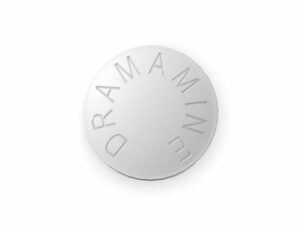

Meclizine Hydrochloride (Meclizine) — Patient Information
Meclizine (also listed as meclizine hydrochloride) is an antihistamine medicine used to help control symptoms of motion sickness and dizziness associated with certain inner-ear problems. It can reduce nausea, vomiting, and the “spinning” or unsteady feeling that some people experience during travel or vertigo episodes.
This guide explains how meclizine works, when and how it’s typically used, common safety considerations, and practical tips to get the best results. If you have any medical questions, or you’re unsure whether meclizine is right for you, speak with a pharmacist or doctor.
Basic product information
- Active ingredient: Meclizine hydrochloride
- Medicine type: Antihistamine (often classified as an H1-receptor antagonist)
- Common dosage forms: Tablets (strength varies by brand)
- Common use: Motion sickness, vertigo-related dizziness, nausea
- Typical status in Australia: Many brands are supplied as an over-the-counter (OTC) medicine
How meclizine works (mechanism of action)
Meclizine helps relieve symptoms caused by disturbance in the balance system (the inner ear and related brain pathways). It works primarily by blocking histamine receptors in the body and affecting signals from the vestibular system that contribute to nausea, dizziness, and vertigo.
By reducing abnormal stimulation in these pathways, meclizine can:
- reduce the sensation of spinning (vertigo) or unsteadiness
- help control nausea and vomiting linked to motion or dizziness
- reduce related discomfort during travel
Pharmacokinetics (how the body handles it)
Pharmacokinetics describe what happens to a medicine in the body—how quickly it starts working, how long it lasts, and how it is processed.
- Onset of action: Often within 1 hour after taking a dose, though timing can vary.
- Peak effect: Usually reached within a few hours of dosing.
- Duration: Symptoms are often controlled for around 24 hours for some people, but individual response varies.
- Metabolism & elimination: Meclizine is metabolised in the liver and eliminated from the body mainly via urine (and other routes depending on the person).
If you find a particular dose doesn’t work well for you, don’t increase it on your own—check with a pharmacist for advice.
What it is typically used for (indications)
Meclizine is commonly used to relieve:
- Motion sickness (nausea, dizziness, vertigo symptoms during travel by car, boat, train, or plane)
- Vertigo symptoms (dizziness associated with inner-ear balance disorders)
- Nausea and vomiting related to dizziness/vertigo
Timing: when to take meclizine
Timing can make a noticeable difference, especially for travel-related symptoms.
- For motion sickness: Take it about 1 hour before travel. If you tend to be sensitive, taking it at the recommended pre-travel time can help prevent symptoms.
- For dizziness/vertigo symptoms: Take as directed by the product label or pharmacist. In some situations, it’s taken at the time symptoms begin, with repeat dosing only as advised.
- Try to maintain a schedule: If your product label allows repeat dosing, follow it consistently rather than “catching up” with extra doses.
Dosing information (typical adult dosing)
Dosing depends on the specific product strength and your age/medical situation. Always follow the instructions on the pack or the advice of your pharmacist.
| Use | Typical adult timing | Typical adult dose frequency | Notes |
|---|---|---|---|
| Motion sickness | About 1 hour before travel | As directed on the pack (commonly repeated if needed) | Do not exceed the maximum dose listed on the label. |
| Dizziness/vertigo | When symptoms start or as advised | As directed on the pack (commonly several times per day) | Seek medical advice if dizziness is severe, persistent, or worsening. |
Children: Meclizine dosing in children varies by age and product. Use in children should be guided by the product label and professional advice.
Older adults: Older people may be more prone to drowsiness, confusion, constipation, and urinary retention. Use the lowest effective dose as advised and avoid driving if you feel sleepy.
Food interactions
Meclizine can be taken with or without food. However, some people find it easier on the stomach when taken with a small meal or snack, especially if nausea is a problem.
- Absorption: Food generally does not drastically change meclizine’s overall effectiveness.
- Stomach upset: If you experience indigestion, take with food.
- Consistency: Try to take it the same way each time to understand how your body responds.
Alcohol interactions
Alcohol can increase the risk of unwanted effects with meclizine, particularly drowsiness and reduced alertness. Combining alcohol with antihistamines may also impair reaction time.
- Avoid or limit alcohol while taking meclizine.
- Do not drive or operate machinery if you feel sleepy, dizzy, or slowed down.
Medicine interactions
Meclizine may interact with medicines that affect the brain or contribute to sedation. Tell your pharmacist about all medicines you take, including:
- other antihistamines (including some allergy/cold medicines)
- sleeping tablets or sedatives
- opioid pain medicines
- benzodiazepines or other anxiety medicines
- some antidepressants (especially those that can cause drowsiness)
- anti-nausea medicines
- medicines that cause constipation or urinary retention
Also consider interactions involving driving risk: even if medicines don’t “directly” interact, combining multiple sources of sedation can significantly increase impairment.
Safety profile: who should take extra care
Like all medicines, meclizine has potential side effects. Most people tolerate it well when used as directed, but some individuals need extra caution.
Common side effects
- Drowsiness or sleepiness
- Dry mouth
- Headache
- Fatigue or reduced energy
- Constipation
- Blurred vision (less common)
Less common but important effects
- Urinary retention (trouble passing urine), more likely in people with prostate enlargement
- Confusion or disorientation (more likely in older adults)
- Paradoxical reactions such as increased restlessness (uncommon)
When to seek urgent medical help
Get medical help urgently if you experience signs of severe allergic reaction such as:
- swelling of the face, lips, tongue, or throat
- difficulty breathing or wheezing
- severe rash or hives
Practical use tips
These tips can help you get better control of symptoms and reduce the chance of side effects:
- Plan ahead for travel: Take it about 1 hour before departure if using for motion sickness.
- Choose a position: For travel, sitting in the front of a car or over the wing in a plane can reduce motion symptoms.
- Stay hydrated: Dehydration can worsen how you feel. Take small sips of water when appropriate.
- Go easy on heavy meals: Large or greasy meals can worsen nausea for many people.
- Avoid driving: Until you know how meclizine affects you, don’t drive or do risky activities.
- Don’t double-dose: If symptoms persist, use label guidance and speak to a pharmacist rather than taking extra.
- Keep track of effectiveness: If one trip triggers strong symptoms, you may need personalised advice for future travel.
Alternative options
Depending on your symptoms and underlying cause, pharmacists may recommend or you may consider other options. Alternatives can include:
- Other anti-motion sickness antihistamines (brand availability varies)
- Non-medicinal approaches such as staying in a stable position, looking at the horizon, and avoiding reading on moving transport
- Ginger for mild nausea in some people (evidence is variable, and product quality varies)
- Prescription or specialist options for persistent vertigo—only after appropriate assessment
If you’re experiencing vertigo frequently, it’s important to determine the cause (for example, inner-ear disorders), because the best treatment may differ.
Market and legal context for Australia
In Australia, the supply and sale of medicines is regulated to support safe use. Many meclizine-containing products are available through pharmacies and some retailers depending on scheduling and local product classifications. Always check the active ingredient, strength, and pack instructions for your specific product.
- Pharmacy guidance: Australian pharmacies can advise on safe use, dosing, and interactions.
- Medicine labelling: Follow the instructions printed on the packaging, including age directions and maximum daily dose.
- Safety monitoring: If you’re using the medicine repeatedly or for an extended period, consult a pharmacist to ensure it remains appropriate.
Recent guidance and considerations
While product-specific guidance can vary by brand and changing regulations, current common-sense safety advice typically includes:
- Use the lowest effective dose and avoid exceeding label limits.
- Consider sedation risk: avoid driving, and be careful with alcohol and other sedating medicines.
- Seek assessment if vertigo is new, severe, or associated with red-flag symptoms such as weakness, speech changes, chest pain, fainting, or significant neurologic symptoms.
- Be cautious in older adults and people with certain urinary or glaucoma conditions (where relevant to antihistamine effects).
Delivery and availability (Australia)
Meclizine products are commonly stocked by pharmacy networks and online pharmacies, depending on local availability. Availability can vary by:
- brand and tablet strength
- pack size
- current demand and transport times
When ordering online, review product details carefully (active ingredient, strength, dosage form, and the pack’s dosing instructions). Delivery timeframes depend on your location and the shipping method offered by the pharmacy.
FAQ
1) Can I take meclizine for motion sickness?
Yes. Meclizine is commonly used to help control nausea and dizziness related to motion sickness. For best results, take it about 1 hour before travel (or as directed on your product label).
2) How long does meclizine take to work?
Many people notice effects within about 1 hour. Peak effect can occur a few hours after dosing, and symptom relief can last for many hours. Individual response varies.
3) Will meclizine make me sleepy?
It can. Drowsiness is one of the more common side effects. Until you understand how you respond, avoid driving, operating machinery, and other tasks requiring full alertness.
4) Is it safe to take meclizine with food?
Generally, yes. You can take meclizine with or without food. If it upsets your stomach, taking it with a small meal may help.
5) Can I drink alcohol while using meclizine?
It’s not recommended. Alcohol can increase drowsiness and impaired coordination. Consider avoiding alcohol while taking meclizine.
6) What medicines should I avoid combining with meclizine?
Be cautious with medicines that cause sedation, including sleeping tablets, sedatives, opioids, and some anxiety medicines. Also consider other antihistamines (including some cold/allergy products). Ask a pharmacist if you’re unsure.
7) Who should avoid or use meclizine with extra caution?
Extra caution is advised for older adults and anyone with conditions that can worsen with antihistamines (for example, urinary retention issues). If you have other medical conditions or take multiple medicines, check with a pharmacist.
8) What should I do if my symptoms don’t improve?
If dizziness or nausea is not controlled, or if symptoms are severe or persistent, seek advice from a healthcare professional. Vertigo can sometimes have causes that require specific treatment.
9) When should I seek urgent help for dizziness?
Seek urgent medical assistance if dizziness occurs with warning signs such as weakness or numbness on one side, trouble speaking, severe headache, fainting, chest pain, or breathing difficulties, or if you suspect an allergic reaction.
10) Are there non-medicine ways to reduce motion sickness?
Yes. Helpful strategies include sitting where motion is least noticeable (e.g., front seat in a car), keeping your eyes on the horizon, improving ventilation, and avoiding reading or screens during travel.
Summary
Meclizine hydrochloride is an antihistamine commonly used to relieve motion sickness and dizziness/vertigo symptoms such as nausea and spinning sensations. When taken at the right time—especially about 1 hour before travel—it can help prevent or reduce symptoms. Because meclizine may cause drowsiness, avoid alcohol and use caution with driving or machinery until you know how it affects you. For personalised advice, talk with a pharmacist.