
Conjugated Estrogens (CEE) – Patient Information
Conjugated estrogens (often shortened to CEE) are a group of estrogen hormones used in specific stages of a woman’s life to help relieve symptoms caused by reduced natural estrogen levels. In Australia, CEE medicines are available through established pharmaceutical supply channels and are used under clinical guidance.
This information is designed to help you understand how conjugated estrogens work, when they may be used, how they are typically taken, and what to watch for. It also includes practical tips and frequently asked questions.
Quick facts
- Medicine name: Conjugated estrogens (CEE)
- Type: Hormone therapy (estrogen)
- Common reasons for use: Menopausal symptom relief and selected hormone-related conditions (as advised by a clinician)
- How it works: Replaces or supplements estrogen in the body
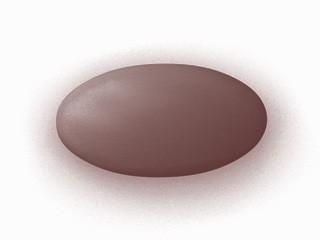
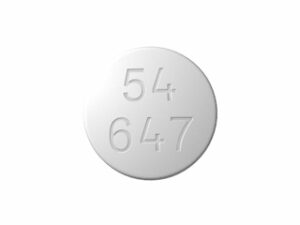
- Forms: Depending on the brand, may be tablets taken by mouth
- Key safety considerations: Discuss benefits vs risks (for example, blood clots, stroke, breast/endometrial risks)
Basic product information
Conjugated estrogens are made from naturally occurring estrogen compounds. They are designed to provide systemic (whole-body) estrogen effects.
The exact composition and dosing strength can vary by product and brand. Always check the specific label for your medicine, including:
- Strength (e.g., milligrams per tablet)
- How often to take it
- Whether it is taken continuously or in cycles
- Any combined regimen (some patients need an added progestogen to help protect the uterus)
Mechanism of action (how it works)
Estrogens help regulate many processes in the body, including:
- Thermoregulation: Estrogen can reduce hot flushes and night sweats.
- Vaginal and urinary tissues: Estrogen supports the lining and lubrication of vaginal tissues, which may improve discomfort, dryness, and some urinary symptoms.
- Bone maintenance: Estrogen helps slow bone loss by affecting bone remodelling.
- Hormonal signalling: Estrogen binds to estrogen receptors in multiple tissues, changing gene expression and physiological responses.
In menopausal or estrogen-deficient states, estrogen levels fall. CEE helps replace estrogen, which can improve symptoms and reduce some long-term consequences of low estrogen.
Pharmacokinetics (how your body handles CEE)
Pharmacokinetics describes what happens after taking a medicine—absorption, distribution, metabolism, and elimination. While exact values depend on product formulation, age, liver function, and other factors, the general pattern for oral conjugated estrogens is:
- Absorption: Oral CEE is absorbed through the gastrointestinal tract and enters the bloodstream.
- Distribution: Estrogens circulate and bind to plasma proteins; they distribute throughout tissues.
- Metabolism: Estrogens are metabolised primarily in the liver through pathways that convert estrogens into multiple metabolites.
- Elimination: Metabolites and some estrogen components leave the body mainly via urine and bile.
Because estrogens undergo liver metabolism, changes in liver function or medicines that affect liver enzymes can influence exposure and effects.
Typical uses in Australia
Conjugated estrogens may be used for specific indications depending on your health history and symptom profile. Common clinical uses include:
- Moderate to severe menopausal vasomotor symptoms (such as hot flushes and night sweats)
- Genitourinary symptoms of menopause in selected patients (often local therapies may be preferred for many symptoms, but systemic therapy may be considered depending on individual needs)
- Prevention of postmenopausal osteoporosis in some circumstances where estrogen deficiency contributes, and where other options are not suitable
Eligibility and choice of therapy depend on factors such as age, time since menopause, cardiovascular risk, clot risk, breast cancer history, and whether you still have a uterus.
Important note about uterus protection
If you have not had a hysterectomy (you still have a uterus), taking estrogen alone can increase the risk of endometrial hyperplasia (overgrowth of the lining of the uterus) and endometrial cancer.
Many patients who have a uterus need a progestogen added to estrogen therapy to help reduce this risk. The type and schedule of progestogen varies by person and product regimen.
How to take CEE: timing and dosing
Always follow the dosing schedule on your specific product label or as directed by your clinician. Below are general patterns used in hormone therapy.
Typical dosing approaches
- Continuous daily dosing: Estrogen is taken every day without planned breaks (commonly used with specific combined regimens).
- Cyclic dosing: Estrogen may be taken daily for a set period each month, often paired with a progestogen schedule.
When to take it
- Take your dose at a consistent time each day to maintain stable hormone levels.
- If you are starting therapy, clinicians often reassess symptom relief and side effects after a period (often within a few months) to ensure the lowest effective dose is used.
If you miss a dose
If you miss a dose, follow the instructions on your product packaging. In general:
- Do not double up unless advised.
- If you are unsure, contact your pharmacist for guidance based on your regimen.
Food interactions and practical effects
Food: Oral estrogens are often taken regardless of meals. Some patients find that taking the medicine after food reduces nausea or stomach upset. If your label allows, you may take it with or without food. Consistency is helpful.
Grapefruit and supplements: While grapefruit is more strongly associated with certain drug interactions than with estrogens overall, supplements and herbal products can affect hormone metabolism. Check before using:
- St John’s wort (commonly affects drug metabolism)
- Other herbal “hormone” products
Your pharmacist can confirm specific interactions for your medicines and supplements.
Alcohol interactions
Moderate alcohol intake may not directly “counteract” conjugated estrogens, but alcohol can influence liver metabolism and may increase the risk of side effects in some people. Consider:
- Limit alcohol if you drink, especially if you have liver conditions or frequent abnormal liver function tests.
- Be alert for symptoms such as headache, dizziness, or nausea, which could be more noticeable when starting therapy.
If you drink regularly or have liver disease, discuss your alcohol habits with a clinician and pharmacist.
Interactions with other medicines
Estrogen metabolism can be altered by medicines that affect liver enzymes. This may change estrogen levels and effectiveness or increase side effects.
Common interaction themes
- Enzyme inducers (may lower estrogen levels): Some anti-seizure medications, certain antibiotics (e.g., rifampicin), and herbal products like St John’s wort.
- Enzyme inhibitors (may raise estrogen levels): Some antifungal medicines and certain medications that affect liver enzyme activity.
- Other hormone-related medicines: If you take thyroid hormones, adrenal or reproductive hormone therapies, or other hormone agents, levels and effects may need monitoring.
- Blood clot risk medicines: Medicines that increase bleeding or clot risk may affect overall risk calculations; always provide a full list to your pharmacist.
What to do
- Keep an up-to-date list of all medicines and supplements you use (including occasional products).
- Tell your pharmacist before starting or stopping any medicine.
- Seek advice if you notice new symptoms like unusual bleeding, leg pain/swelling, sudden shortness of breath, or chest pain.
Indications (what CEE is used for)
Conjugated estrogens are used as systemic hormone therapy for conditions related to estrogen deficiency, most commonly around menopause. Indications may include:
- Menopausal vasomotor symptoms (hot flushes, night sweats), especially when moderate to severe.
- Prevention of postmenopausal osteoporosis in appropriate patients at risk.
- Selected genitourinary symptoms depending on overall clinical picture.
Your clinician will consider your personal risk factors and other available treatments before deciding whether CEE is appropriate.
Clinical safety profile: what to know
Like all systemic estrogen therapies, conjugated estrogens have potential side effects and important risks. The overall goal is to use the lowest effective dose for the shortest duration consistent with treatment goals, with periodic review.
Common side effects
- Nausea or stomach discomfort
- Headache
- Breast tenderness
- Bloating or fluid retention
- Vaginal bleeding or spotting (especially when starting or during dose changes)
- Mood changes in some people
Serious risks (seek urgent medical advice)
Stop and seek urgent help if you develop signs of serious conditions such as:
- Blood clot in the leg (pain, swelling, warmth—usually one side)
- Chest pain or shortness of breath (possible clot to the lungs)
- Stroke symptoms (face drooping, weakness, speech difficulty, sudden severe headache)
- Vision changes or sudden eye pain
- Jaundice (yellowing of eyes/skin), dark urine, or severe itching (possible liver issues)
Endometrial (uterine lining) considerations
Unopposed estrogen (estrogen without appropriate progestogen protection in people with a uterus) can increase the risk of endometrial changes. Report any unexpected bleeding promptly.
Breast and hormone-sensitive cancer considerations
Long-term hormone therapy can influence the risk profile for some hormone-sensitive conditions. Discuss your family history, personal cancer risk, and screening schedule (e.g., mammography) with a clinician.
Cardiovascular and clot risk
Risk can vary based on age, time since menopause, and personal factors such as smoking, body weight, blood pressure, cholesterol, diabetes, and history of clots. Annual (or more frequent) review is often recommended.
Practical use tips
- Use the lowest effective dose: Many people need dose adjustments over time.
- Track symptoms: Note changes in hot flushes, sleep quality, mood, and vaginal discomfort to help evaluate benefit.
- Monitor bleeding: Any unexpected bleeding should be assessed promptly, especially if it occurs after periods of no bleeding.
- Stay consistent: Take your dose at the same time each day.
- Review lifestyle risk factors: Smoking cessation, regular exercise, and healthy eating can improve overall risk profile.
- Keep up screening: Continue breast screening and other age-appropriate health checks.
Alternative options
Conjugated estrogens are one option within hormone therapy and supportive care. Depending on your symptoms, alternatives may include:
Non-hormonal options (may be suitable for some people)
- Certain non-hormonal medicines for hot flushes
- Lifestyle measures (cooling strategies, sleep hygiene, avoiding triggers)
- Psychological and behavioural approaches (for some people)
Local (vaginal) therapies for genitourinary symptoms
For vaginal dryness and urinary discomfort, local estrogen or non-estrogen vaginal therapies may provide symptom relief with lower systemic exposure, depending on individual suitability.
Different hormone formulations
- Other estrogen types (e.g., estradiol formulations)
- Different routes (transdermal patches/gels), which may alter how hormones are absorbed and processed
- Combined regimens with progestogens where the uterus is present
Choice of alternative depends on symptom pattern, medical history, and risk factors. A clinician can help compare options.
Pharmacist and clinician guidance: “recent guidance” themes in Australia
In Australia, hormone therapy advice is regularly updated through clinical guideline reviews and safety updates. Recent guidance themes generally include:
- Individual risk assessment before starting estrogen therapy.
- Use of the lowest effective dose and periodic review of need.
- Special attention to first-time therapy and timing relative to menopause.
- Uterine protection for people with a uterus (progestogen as appropriate).
- Monitoring for side effects, including abnormal bleeding and cardiovascular/clot symptoms.
If you’ve been using hormone therapy for a while, consider reviewing your regimen at least annually (or sooner if symptoms or health status change).
Delivery, availability, and ordering in Australia
Availability of conjugated estrogens can vary by brand and strength. In Australia, supply is typically managed through pharmacy distribution networks. Online pharmacy services may provide access to supported products where eligible and compliant with local requirements.
Delivery options, dispatch times, and shipping regions differ by pharmacy and product availability. When ordering, check:
- Estimated dispatch time
- Delivery timeframes for your location
- Cold chain requirements (most oral tablets do not require refrigeration)
- Product strength and formulation
If you require assistance selecting the correct product strength or regimen, a pharmacist can help you verify details before shipping.
Table: Summary of key points
| Topic | What to know about conjugated estrogens |
|---|---|
| How it works | Provides systemic estrogen effects to relieve menopausal symptoms and support estrogen-dependent tissues. |
| Common uses | Menopausal vasomotor symptoms; selected genitourinary symptoms; and prevention of postmenopausal osteoporosis in appropriate patients. |
| How to take | Oral tablets, typically once daily; timing should be consistent each day. |
| Uterus protection | If you have a uterus, you may need a progestogen alongside estrogen to reduce endometrial risk. |
| Food | Usually can be taken with or without food; consistency is helpful and taking after food may reduce nausea. |
| Alcohol | Moderation is recommended; liver health matters. Alcohol may increase some side effects in some people. |
| Interactions | Some medicines and herbal products can change estrogen levels (especially via liver enzyme effects). |
| Safety monitoring | Report abnormal bleeding and urgent symptoms (clot/stroke/chest pain/shortness of breath). |
When to seek medical advice urgently
- Sudden chest pain, shortness of breath, or coughing blood
- Severe leg pain, swelling, warmth, or redness (often one leg)
- Signs of stroke: face drooping, weakness, difficulty speaking, sudden severe headache
- Unexpected heavy bleeding or bleeding with dizziness or fainting
- Yellowing of skin/eyes, dark urine, or severe fatigue (possible liver issues)
Who should be extra cautious
Conjugated estrogens may not be suitable for everyone. Extra caution is needed if you have (or have had) certain conditions, such as:
- A history of blood clots or stroke
- Certain hormone-sensitive cancers
- Unexplained vaginal bleeding
- Significant liver disease
- High cardiovascular risk or uncontrolled high blood pressure
A clinician will weigh your individual risks and benefits, including family history and current medicines.
FAQ: Conjugated estrogens
1) What are conjugated estrogens used for?
They are used to treat symptoms related to estrogen deficiency, most commonly menopausal symptoms like hot flushes and night sweats. Depending on the situation, they may also support bone health and some genitourinary symptoms.
2) Do I need a progestogen with conjugated estrogens?
If you have a uterus, many regimens include a progestogen to reduce endometrial (uterine lining) risks. Your clinician will advise the appropriate approach for your situation.
3) How quickly will I feel better?
Some menopausal symptoms can improve within weeks, while other effects (such as bone health) take longer. Your response and side effects should be reviewed after starting.
4) Can I take conjugated estrogens with food?
In many cases, yes. Taking it with food may reduce stomach upset. If your product instructions specify otherwise, follow the label.
5) Are there interactions with herbal products like St John’s wort?
St John’s wort can affect how some medicines are metabolised. It may change estrogen levels. Check with your pharmacist before using herbal supplements.
6) What side effects are common?
Common side effects include breast tenderness, headache, nausea, bloating, and spotting—particularly early in treatment or after dose changes.
7) What should I do if I notice abnormal bleeding?
Unusual or persistent bleeding should be assessed promptly, especially if it occurs after a period without bleeding. Contact a clinician for advice.
8) Is alcohol allowed?
Moderate alcohol may be compatible for some people, but alcohol can affect liver metabolism and may increase side effects. If you drink, consider moderation and discuss your individual situation.
9) How do I store the medicine?
Store tablets according to the instructions on the packaging (typically at room temperature, away from moisture and heat). Keep out of reach of children.
10) Can I switch brands or strengths?
Switching products may be appropriate in some cases, but it can affect dose and dosing schedules. Verify the strength and regimen with your pharmacist before changing.
Disclaimer
This page provides general patient information about conjugated estrogens. Individual suitability depends on your medical history, current medicines, and personal risk profile. For advice tailored to you, consult a healthcare professional or pharmacist.