Dolutegravir (DTG) — Patient-Friendly Information (Australia)
Dolutegravir is an antiretroviral medicine used as part of combination therapy for the treatment of HIV (Human Immunodeficiency Virus). It helps suppress the virus to very low levels, supporting immune recovery and reducing the risk of HIV-related illness. This guide explains how dolutegravir works, how it’s typically used, key safety information, and practical tips for taking it reliably in everyday life in Australia.
Note: Medicine information can vary by product brand and formulation. Always follow the instructions on your medicine label and any advice provided by your healthcare team.
1) Basic product information
| Category | Details |
|---|---|
| Generic name | Dolutegravir |
| Medicine class | Integrase strand transfer inhibitor (INSTI) |
| Typical forms | Oral tablets (dose strength varies by product) |
| Where it’s used | HIV treatment as part of combination antiretroviral therapy |
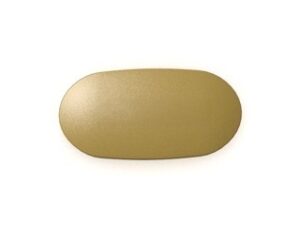
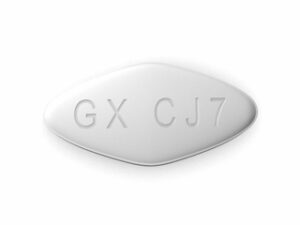
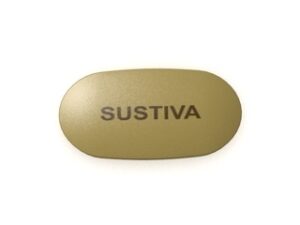
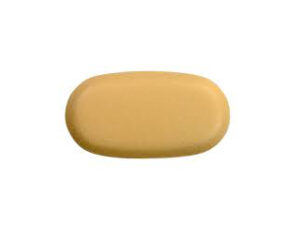
| Common brand examples in Australia | Branding can vary by supplier and supply contracts; your pharmacist can confirm the specific product you receive. |
2) How dolutegravir works (mechanism of action)
Dolutegravir belongs to a group of medicines called integrase inhibitors. After HIV enters a person’s cells, it needs to copy its genetic material into the host cell’s DNA. This step is essential for HIV to establish a long-term infection.
Dolutegravir blocks an enzyme called integrase, preventing HIV from integrating into human DNA. As a result, the virus can’t effectively replicate and spread within the body.
Because HIV treatment usually requires more than one antiretroviral drug, dolutegravir is typically combined with other agents to improve effectiveness and reduce the chance of resistance.
3) Pharmacokinetics (how the body handles the medicine)
Pharmacokinetics describes absorption, distribution, metabolism, and elimination. Below is patient-friendly information about key practical points.
- Absorption: Dolutegravir is absorbed after oral administration. Food can affect drug exposure to some extent depending on the type of meal and co-administered products.
- Distribution: It distributes throughout the body and reaches key compartments where HIV replicates.
- Metabolism: Dolutegravir is processed in the liver by metabolic pathways that can be influenced by other medicines. Certain drug interactions can increase or decrease dolutegravir levels.
- Elimination: The drug is eliminated via metabolic processing and excretion pathways. This is why consistent daily timing matters for maintaining reliable drug levels.
In practice, the most important “pharmacokinetic” message is: take it consistently at the same time(s) each day, and pay attention to interactions—especially with antacids and some other medicines.
4) Typical use and treatment goals
Dolutegravir is used in HIV treatment as part of combination antiretroviral therapy. It may be used in people starting treatment and may also be used in some people who are changing regimens.
Treatment aims generally include:
- Achieving viral suppression (viral load becomes very low or undetectable)
- Preventing HIV progression and related complications
- Allowing immune recovery (e.g., improved CD4 cell counts)
- Reducing transmission risk when viral load is suppressed as guided by clinical recommendations
5) Timing: when and how to take dolutegravir
The dosing schedule depends on the prescribed regimen. Common adult dosing regimens include once-daily or twice-daily dosing depending on the overall combination and clinical factors. Your pharmacist and prescribing clinician can provide the exact instructions for your situation.
General timing tips
- Take it at the same time each day (or morning/evening for twice-daily regimens).
- If you miss a dose, take it as soon as you remember unless it’s near the time of the next dose. Do not double up unless your healthcare team advises otherwise.
- Keep a reminder (phone alarm, calendar, blister packs) to support adherence. Consistency helps reduce the risk of viral rebound and resistance.
6) Food interactions and what to eat
Dolutegravir can often be taken with or without food, but food and certain meal types may affect the drug’s absorption. Your product label and clinician guidance are the best reference for your exact formulation.
Practical food guidance
- If you are unsure: ask your pharmacist how to take your specific dolutegravir product (with food vs. without).
- Try to be consistent: if your clinician has advised a specific approach (e.g., with or without meals), stick to it day-to-day.
- Watch out for mineral supplements (see below), which can interact with absorption.
7) Alcohol and medicine interactions
Drinking alcohol may affect liver health and adherence. While moderate alcohol use does not automatically “cancel out” dolutegravir, alcohol can increase the chance of missed doses or worsen side effects like fatigue or nausea for some people.
Alcohol considerations
- Adherence: Alcohol can disrupt routines—plan your dosing around your usual schedule.
- Health conditions: If you have hepatitis, liver disease, or other medical concerns, discuss alcohol with your healthcare team.
- Driving and machinery: If you feel dizzy or light-headed, avoid alcohol and driving together.
Other important medicine interactions
Some medicines can change dolutegravir blood levels by affecting liver metabolism or affecting absorption. This is especially relevant for medicines that contain:
- Metal cations (such as iron, calcium, magnesium, aluminium)
- Antacids and some buffered medicines
- Some anti-seizure medicines and other enzyme-inducing therapies
- Other antiretrovirals that may have dose-dependent interactions
Always provide your pharmacist and healthcare team with a complete list of medicines and supplements, including “over-the-counter” products.
8) Indications (when dolutegravir is used)
In Australia, dolutegravir is indicated for the treatment of HIV infection in combination with other antiretroviral medicines. The exact regimen depends on prior treatment history, resistance testing, age, pregnancy status, and other clinical factors.
Your clinician may choose dolutegravir because of its potency, once- or twice-daily convenience, and durability of viral suppression for many patients.
9) Dosing information (general patient guidance)
Dosing must be individualised. The sections below provide general information about typical dosing patterns. Always follow the instructions on your medicine label and your healthcare team’s advice.
Common dosing approaches in adults
- Once daily regimens are common in many standard combinations.
- Twice daily dosing may be used in selected situations based on the full regimen and clinical details.
Special considerations
- Kidney function: Dosing adjustments may not always be required for mild/moderate kidney impairment, but this should be checked clinically.
- Liver function: If you have liver disease, your clinician may monitor you more closely.
- Pregnancy and conception planning: Dolutegravir has specific guidance for use in pregnancy. Discuss family planning with your healthcare team before starting or continuing treatment.
- Children and adolescents: Dosing in younger age groups depends on weight and available formulations.
How to take with supplements/antacids (important)
Dolutegravir can bind to minerals and reduce absorption if taken too close to certain supplements. This is one of the most common “real-world” interaction issues.
Examples of products that may require separation:
- Iron supplements
- Calcium supplements
- Magnesium or aluminium-containing antacids
- Multivitamins that include minerals
- Other products containing metal ions
Your pharmacist can advise the correct separation time for your specific products. In many regimens, taking dolutegravir at a consistent time and separating mineral-containing products by a few hours helps.
10) Safety profile: what to expect and when to seek help
Like all medicines, dolutegravir may cause side effects. Many people tolerate it well, especially when taken as directed. However, it’s important to know what’s normal and what needs prompt medical attention.
Common side effects (may occur)
- Headache
- Nausea or mild stomach discomfort
- Fatigue
- Sleep changes (for some people)
Less common but important risks
- Allergic reactions: Seek urgent medical attention for symptoms such as swelling of the face/lips, trouble breathing, or widespread rash.
- Severe skin reactions: Stop and seek urgent care if you develop blistering, peeling skin, or a rapidly spreading rash.
- Changes in lab results: Your healthcare team may monitor kidney function and other blood markers as needed.
Drug interactions as a safety issue
Interactions can affect effectiveness or safety. Examples include:
- Medicines that reduce dolutegravir levels, potentially lowering HIV suppression
- Medicines that increase dolutegravir levels, potentially increasing side effects
- Metal-containing products and antacids that reduce absorption
Always check new medicines or supplements with your pharmacist before starting.
11) Practical use tips for reliable results
- Use a dosing routine: Link your dose to a daily habit (e.g., breakfast time) if your regimen allows.
- Separate minerals and antacids: If you need iron, calcium, magnesium, aluminium antacids, or multivitamins with minerals, ask how to space them to avoid reduced absorption.
- Keep an up-to-date medicine list: Include over-the-counter items and supplements. Take it to appointments and share it with each new clinician.
- Don’t stop or change therapy: HIV treatment works best when taken consistently as part of a combination regimen. If you feel unwell or side effects occur, contact your healthcare team rather than stopping suddenly.
- Manage side effects early: Many mild effects improve after the first weeks. If they persist, your clinician may offer supportive strategies or regimen adjustments.
- Store medicines properly: Follow the storage instructions on the pack (typically keep at room temperature, protected from moisture and heat).
12) Alternative options (other antiretroviral choices)
Dolutegravir is one option within the INSTI (integrase inhibitor) class. Depending on your treatment history and lab results, clinicians may consider alternatives such as other integrase inhibitors or different antiretroviral classes.
Common alternative integrase inhibitors
- Raltegravir
- Elvitegravir (often used with other boosters depending on regimen)
- Bictegravir
- Cabotegravir (injectable; used in specific regimens)
The “best” alternative depends on factors such as resistance patterns, comorbidities, pregnancy considerations, and potential drug–drug interactions. Your healthcare team can discuss options tailored to you.
13) Market and legal context for Australia (high-level)
In Australia, access to antiretroviral medicines is managed through the national health system and related programs. Supply pathways can involve hospital/clinic prescribing and dispensing arrangements, as well as community pharmacy dispensing where applicable.
Online pharmacies in Australia may offer medicines only where legally permitted and where appropriate customer screening and safeguards are in place. Availability and product brands may vary due to distribution schedules and supply chain factors.
If you are unsure about coverage, eligibility, or the way you can access medicines in your area, your pharmacist can help explain common pathways.
14) Recent guidance and considerations (Australia)
HIV treatment guidance is updated periodically based on emerging evidence, safety data, and program needs. In general, current guidance emphasises:
- Early and effective viral suppression using well-tolerated combination regimens
- Adherence support to maintain durable viral suppression
- Careful attention to drug interactions, including supplements and antacids
- Special consideration in pregnancy and family planning
Your clinician may use local Australian guidance and individual patient factors when choosing the regimen and timing.
15) Delivery and availability (online pharmacy information)
Availability of dolutegravir can vary depending on stock levels and supplier schedules. Delivery options may differ by location (metropolitan vs. regional/remote areas).
What to expect
- Order processing: Orders are typically processed promptly during business hours.
- Delivery timeframes: Estimated delivery times are usually provided at checkout.
- Packaging: Medicines are generally supplied in original packaging with product information and instructions.
- Temperature/moisture protection: Follow storage instructions after delivery.
If your preferred product is temporarily out of stock, an online pharmacy may offer alternative pack sizes/strengths where permitted, or inform you about restock dates.
16) FAQ
Is dolutegravir taken once or twice a day?
It depends on your prescribed regimen and overall combination therapy. Many adults take it once daily, but some regimens use twice-daily dosing. Check your medicine label or ask your pharmacist for your exact schedule.
Can I take dolutegravir with food?
For many people, dolutegravir can be taken with or without food, but food can influence absorption for certain regimens and products. For best results, follow the instruction specific to your product.
What should I do if I miss a dose?
Take it as soon as you remember if it’s not too close to the time of the next dose. If it is close, skip the missed dose and resume your regular schedule. Do not double up unless your healthcare team advises otherwise.
Do I need to separate dolutegravir from antacids or mineral supplements?
Often, yes. Iron, calcium, magnesium, aluminium-containing antacids, and some multivitamins can reduce dolutegravir absorption if taken too close together. Ask your pharmacist for the correct spacing for your specific products.
Can I drink alcohol while taking dolutegravir?
Many people can drink alcohol in moderation, but alcohol can affect adherence and may worsen side effects in some individuals. If you have liver disease or other health concerns, discuss alcohol with your healthcare team.
What drug interactions are most important?
The most important are interactions that affect dolutegravir absorption (e.g., mineral-containing products and antacids) and interactions that affect liver metabolism (e.g., certain enzyme-inducing medicines). Always provide your pharmacist with a complete list of medicines and supplements.
How long does it take for dolutegravir to work?
Viral suppression often begins quickly, though the exact time to reach low/undetectable viral load varies by person and regimen. Your clinician will check viral load with routine blood tests to monitor response.
Are there any special considerations for pregnancy?
Yes. Dolutegravir has specific guidance related to pregnancy and conception planning. If you are pregnant, planning pregnancy, or could become pregnant, discuss this promptly with your healthcare team.
What should I do if I experience side effects?
Mild side effects can sometimes improve as your body adjusts. If side effects are persistent, severe, or you develop signs of an allergic reaction (such as swelling or trouble breathing) or a serious skin reaction, seek urgent medical attention.
Where can I get help with adherence?
Pharmacists and HIV clinics can support adherence strategies such as medication reminders, managing interactions, and practical tips to keep you on track. If you’re struggling to remember doses or have side effects, reach out early.
17) Summary
Dolutegravir is a powerful integrase inhibitor used as part of combination therapy for HIV. It works by preventing HIV from integrating into human DNA, supporting viral suppression and immune recovery. For best results, take it consistently, follow food and timing instructions provided for your specific product, and pay close attention to interactions—especially with antacids and mineral-containing supplements. If you have questions about timing, other medicines, or side effects, your pharmacist is a great first point of contact.