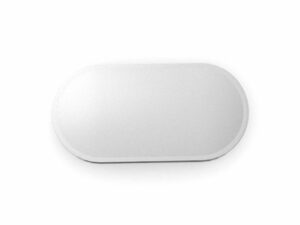

Molnunat (Molnupiravir) — Patient-Friendly Guide (Australia)
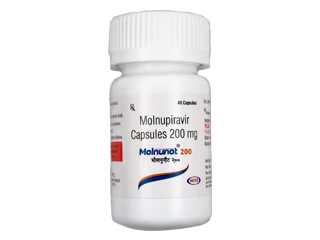
Molnunat is a brand name for molnupiravir, an antiviral medicine used to treat certain adults with early, mild-to-moderate COVID-19 who are at higher risk of developing severe illness. This page explains how the medicine works, how it’s usually taken, key safety points, and practical tips to help you use it effectively.
This information is educational and not a substitute for advice from a healthcare professional. Guidance and availability may change as public health recommendations evolve in Australia.
1) Basic product information
| Item | Details |
|---|---|
| Medicine name | Molnunat (molnupiravir) |
| Medicine type | Oral antiviral (direct-acting) |
| Typical regimen | Usually taken twice daily for 5 days (see dosing section) |
| Who it may be used for | Adults with COVID-19 at higher risk of deterioration, when started early |
| Key goal | Reduce the risk of progressing to severe disease (including hospitalisation) by limiting viral replication |
2) How Molnunat works (mechanism of action)
Molnupiravir is a “direct-acting” antiviral. Once inside the body, it is converted into an active form that interferes with the way the virus copies its genetic material.
In simple terms, the medicine causes errors in viral RNA replication. This makes it harder for the virus to multiply and spread efficiently. The result is a lower viral burden and potentially a reduced risk of worsening, especially when treatment is started early after symptoms begin.
3) Pharmacokinetics (how the body handles it)
Pharmacokinetics describes what happens to a medicine after you swallow it—absorption, distribution, metabolism, and elimination.
- Absorption: Molnupiravir is absorbed from the gastrointestinal tract and converted to active metabolites in the body.
- Activation: It undergoes metabolic conversion to its active form (and related metabolites), which then acts against viral replication.
- Distribution: The active metabolites circulate through the body and reach tissues affected by infection.
- Elimination: The medicine and metabolites are eliminated mainly through normal body clearance processes (metabolism and excretion).
Practical takeaway: Because the medicine needs to be started promptly during early infection, timing matters more than most other factors. Taking it consistently over the full course is important.
4) Typical use and timing
Molnunat is used for the treatment of COVID-19 in certain adults who are at higher risk of developing severe illness. It is intended to be started as soon as possible after you are diagnosed and symptoms begin.
When to start
- Best results: Treatment should begin early—typically within 5 days of symptom onset.
- If symptoms are already present, do not wait for symptoms to “prove” they’re getting worse. Starting early is the goal.
How long to take it
- Molnupiravir is commonly taken for a total of 5 days as a short course.
5) Dosing (how to take Molnunat)
Dosing can vary depending on local guidance, product formulation, and individual clinical circumstances. The sections below describe commonly used dosing patterns.
Usual adult dosing (general)
- Commonly: 800 mg twice daily (two doses per day) for 5 days.
- That usually corresponds to a total daily dose of 1600 mg, split into morning and evening doses.
How to schedule doses
- Try to take each dose about 12 hours apart (for example, morning and evening).
- If your schedule allows, pick times you can consistently follow for the entire 5-day course.
What if you miss a dose?
- If you miss a dose, take it when you remember unless it is close to the time of your next dose.
- Do not double up to make up for a missed dose.
6) Food interactions and taking with meals
Many patients worry about whether antiviral medicines must be taken with food. For molnupiravir, food requirements are generally flexible, and it can typically be taken with or without food.
- If you experience stomach upset, consider taking it with food.
- Stay hydrated during your course, especially if you have fever, poor appetite, or nausea.
Tip: Use the same approach each dose (for example, consistently with meals or consistently on an empty stomach) to help maintain routine and reduce missed doses.
7) Alcohol and medicine interactions
Alcohol
- While there is no single universal rule for all interactions, avoid alcohol during COVID-19 treatment when possible.
- Alcohol can worsen dehydration, sleep quality, and nausea and may affect how you tolerate other supportive medicines.
Other medicine interactions (important)
Drug–drug interactions depend on your full medication list, including over-the-counter products and supplements. Molnupiravir has a relatively straightforward interaction profile, but interactions are still possible.
- Tell your pharmacist or healthcare professional about all medicines you take, including:
- Prescription medicines
- Over-the-counter cold/flu medicines
- Herbal products and supplements
- Vitamins at high doses
- If you are taking medicines that affect immune function or are managing chronic conditions (such as diabetes, cardiovascular disease, epilepsy, or organ transplant), ensure a full interaction check is done.
Practical advice: Keep a list of your medicines and bring it to your consultation. If you’re self-managing supportive care at home, check ingredients of combination products to avoid accidental duplication.
8) Indications (who Molnunat is for)
Molnunat (molnupiravir) is indicated for the treatment of COVID-19 in appropriate patients—typically:
- Adults with confirmed or suspected SARS-CoV-2 infection
- Symptoms consistent with early COVID-19
- Higher risk of progressing to severe disease
Eligibility depends on: local clinical criteria, symptom timing, risk factors, and circulating variant guidance in Australia. Your clinician/pharmacist will consider your individual risk profile and the options available.
9) Safety profile (what to know before and during treatment)
Like all medicines, molnupiravir can cause side effects. Many people experience mild to moderate effects, but some require medical attention.
Common side effects
- Nausea
- Diarrhoea
- Headache
- Dizziness or general tiredness
Seek urgent medical help if you experience
- Signs of allergic reaction: swelling of face/lips, difficulty breathing, widespread rash, severe itching
- Severe or persistent vomiting preventing you from keeping medicine down
- Worsening breathing, chest pain, confusion, bluish lips/face, or oxygen levels dropping (if you monitor)
Special considerations
- Pregnancy: Molnupiravir may carry potential risks due to its mechanism involving viral RNA. Pregnancy should be discussed carefully with a healthcare professional before using it.
- Breastfeeding: If you are breastfeeding, discuss risks and benefits with a healthcare professional.
- Fertility / reproductive planning: For individuals of reproductive potential, guidance may include precautions related to conception during and after treatment.
- Children: Use in children may be limited or restricted based on available evidence and regulatory guidance.
Important: The safest next step is to confirm eligibility and precautions with a clinician or pharmacist, particularly if you are pregnant, breastfeeding, or planning pregnancy.
10) Practical use tips (to get the best results)
- Start on time: Aim for initiation as soon as possible after symptom onset (often within 5 days).
- Finish the course: Don’t stop early even if you feel better—complete the full 5-day regimen.
- Take with water: A glass of water can help swallowing and reduce stomach discomfort.
- Set reminders: Use phone alarms to avoid missed doses.
- Monitor symptoms: Track fever, breathing, hydration, and overall wellbeing.
- Use supportive care: You can typically use standard supportive treatments (for example, paracetamol for fever/pain) alongside antiviral therapy—confirm what’s appropriate for you.
- Hydrate: Diarrhoea or nausea can increase dehydration risk, so drink fluids regularly.
If you vomit soon after taking a dose, contact a healthcare professional or pharmacist for advice on whether to take another dose.
11) Alternative options
For early COVID-19 in higher-risk patients, there are multiple possible treatment approaches depending on availability, timing, patient factors, and current Australian guidance.
Other antiviral options (examples)
- Nirmatrelvir/ritonavir (an oral antiviral combination) — requires attention to drug–drug interactions due to ritonavir.
- Remdesivir (intravenous antiviral) — may be considered in certain settings.
- Convalescent plasma (in selected cases) — depends on availability and clinical criteria.
Supportive care
- Symptom relief and monitoring are essential, including fever and pain control, hydration, rest, and respiratory monitoring if needed.
Your best option: The most suitable treatment depends on your health conditions, medications, symptom timing, and the treatment options available in Australia at the time.
12) Molnunat in the Australian market: legal and guidance context
In Australia, COVID-19 therapies are managed through a combination of regulatory approvals, public health guidance, and clinical pathways. Availability can vary depending on:
- Current Therapeutic Goods Administration (TGA) status for the product/brand and formulation
- Eligibility criteria used by clinicians and services
- Changes in national recommendations over time
- Supply logistics and pharmacy distribution
Recent guidance may include: emphasis on early treatment, prioritisation of higher-risk adults, and choosing the best available antiviral based on drug interactions and contraindications.
Because recommendations evolve, always confirm current availability and indications with a pharmacist or clinic.
13) Delivery and availability in Australia
Availability of Molnunat can vary. Online pharmacy services typically handle ordering, verification of eligibility, and delivery arrangements in line with local laws and pharmacy requirements.
- Availability: May be limited during high demand periods or depending on supply.
- Delivery times: Depend on your location (metropolitan vs regional), courier services, and stock status.
- Packaging: Usually supplied in secure pharmacy packaging with patient information.
Delivery tip: Ensure someone can receive the parcel if you are not home, and check the medication promptly on arrival (correct name, strength, quantity, and expiry date).
14) FAQ
1. What is Molnunat used for?
Molnunat (molnupiravir) is used to treat early COVID-19 in adults who are at higher risk of developing severe illness, ideally started soon after symptoms begin.
2. How quickly should I start Molnunat?
It is generally most effective when started early—commonly within 5 days of symptom onset. If you are unsure about timing, contact a pharmacist or healthcare professional promptly.
3. How do I take it—with or without food?
Molnupiravir is typically taken with or without food. If it upsets your stomach, taking it with food may help.
4. Can I drink alcohol while taking Molnunat?
It’s best to avoid alcohol during treatment where possible. Alcohol can worsen hydration and may increase the likelihood of side effects such as nausea or dizziness.
5. What side effects are common?
Common side effects include nausea, diarrhoea, headache, and tiredness or dizziness. Most are mild, but seek urgent help for signs of allergy or severe deterioration.
6. What if I miss a dose?
Take the dose as soon as you remember if it’s not close to the next scheduled dose. Do not double up to compensate.
7. Can I take Molnunat with other medicines?
Many medicines can be taken alongside antivirals, but interactions depend on your specific list. It’s important to review all medicines, including over-the-counter products and supplements, with a pharmacist.
8. Is Molnunat safe for pregnant or breastfeeding people?
Molnupiravir may involve potential risks based on its mechanism. Pregnancy and breastfeeding require careful risk–benefit discussion with a healthcare professional. If you are pregnant, breastfeeding, or planning pregnancy, speak with a clinician or pharmacist before starting.
9. How long is the treatment course?
The typical course is 5 days, usually twice daily, depending on the prescribed regimen.
10. What if my symptoms worsen?
If you develop worsening breathing, chest pain, severe weakness, confusion, or low oxygen readings (if you monitor), seek urgent medical care. COVID-19 can change quickly.
11. Are there alternatives to Molnunat?
Yes. Other antivirals and treatment options may be available depending on eligibility, drug interactions, symptom timing, and clinical factors.
15) Key summary
- Molnunat (molnupiravir) is an oral antiviral used for early COVID-19 in selected higher-risk adults.
- Mechanism: interferes with viral RNA replication, reducing viral multiplication.
- Timing: start as early as possible, commonly within 5 days of symptom onset.
- How to take: usually twice daily for 5 days; with or without food.
- Safety: common side effects include nausea and diarrhoea; seek urgent care for allergy or severe symptoms.
- Interactions: review your full medicine list with a pharmacist; avoid alcohol where possible.
If you have questions about whether Molnunat is appropriate for you, a pharmacist can help you review eligibility criteria, timing, dosing schedule, and potential interactions based on your individual health and medicines.