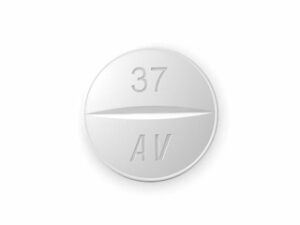


Metoclopramide (Medicine Information) — Australian Patient Guide
Metoclopramide is a well-known medicine used to treat certain types of nausea and vomiting and to help manage problems with stomach emptying. It works in the brain and the digestive system to improve symptoms such as feeling sick, vomiting, and delayed gastric emptying (when food stays in the stomach longer than expected).
This guide explains how metoclopramide works, when it’s usually taken, what to watch for, common interactions (including with alcohol and other medicines), and practical tips to help you use it safely. It also includes information relevant to Australia, such as availability and recent regulatory/clinical attention to side effects.
Basic product information
| Category | Details |
|---|---|
| Generic name | Metoclopramide |
| Common uses | Nausea and vomiting, delayed gastric emptying (gastroparesis), and related conditions as directed by a clinician |
| Common forms | Tablets, oral solution, and injectable forms (availability varies by product) |
| How it works | Blocks dopamine receptors and increases gut movement; also acts on vomiting pathways in the brain |
| Who it suits | Adults and selected adolescents/children depending on indication and local guidance |
Important: Always follow the specific instructions on your medicine label and any health professional advice for your personal situation.
How metoclopramide works (mechanism of action)
Metoclopramide helps with nausea and vomiting and promotes gastric emptying through two main actions:
- Dopamine (D2) receptor blocking action: In the brain’s “vomiting centre,” dopamine helps trigger nausea/vomiting. Metoclopramide blocks these receptors, making it harder for the body to produce the nausea/vomiting response.
- Pro-motility (gastrointestinal) effect: In the digestive tract, metoclopramide increases coordinated muscle contractions, which can help move stomach contents into the small intestine more effectively.
The combined effect is often an improvement in:
- nausea
- vomiting
- fullness/bloating related to slow stomach emptying
- symptoms of dyspepsia linked to delayed gastric emptying (in selected patients)
Pharmacokinetics (how the body handles it)
Pharmacokinetics explains how a drug is absorbed, distributed, metabolised, and eliminated. While exact values can vary between individuals and formulations, the general pattern for metoclopramide is:
- Absorption: Metoclopramide is absorbed after oral dosing. Food may influence the speed of absorption (see food interactions section).
- Distribution: It distributes throughout the body and can cross into the central nervous system, which is why side effects related to the brain and nervous system can occur.
- Metabolism: Metoclopramide is metabolised mainly in the liver, with partial renal contribution depending on individual factors.
- Elimination: The drug is cleared from the body through renal (kidney) elimination to a clinically relevant extent.
Kidney or liver impairment: People with reduced kidney function (and sometimes liver impairment) may have slower clearance, which can increase exposure and side-effect risk. Dose adjustments may be needed—always follow clinician instructions.
Typical uses and indications
Metoclopramide is commonly used for:
- Nausea and vomiting associated with certain conditions where a pro-motility antiemetic effect is needed.
- Delayed gastric emptying (gastroparesis), especially when symptoms such as nausea, vomiting, early satiety, and post-meal fullness occur.
- Selected gastrointestinal motility issues when supportive measures are insufficient and the benefit outweighs the risk.
Usage can vary depending on local prescribing practices, age group, and clinical scenario. Always use metoclopramide according to the instructions provided with your specific product.
When to take metoclopramide (timing and practical routine)
For the best effect, timing matters. In many cases, metoclopramide is taken before meals or as directed to match symptom timing (for example, before eating when meals trigger nausea or when stomach emptying is delayed).
- Common timing: Often taken shortly before meals and/or at times when nausea/vomiting is most likely.
- Consistency: Take it at the times your health professional advises, rather than “only when symptoms are worst,” if a schedule was provided.
- Duration: Using metoclopramide longer than necessary may increase risk of certain side effects. The safest approach is to use the lowest effective dose for the shortest appropriate duration as advised.
Missed dose: If you miss a dose, take it when you remember unless it’s close to the next dose. Do not take two doses at once to catch up—follow the guidance on your label.
Food interactions and stomach sensitivity
Metoclopramide can be taken with or without food depending on your product and personal tolerance.
- Effect of food: Food may delay the absorption of metoclopramide when taken by mouth, which can slightly affect how quickly you feel relief.
- Nausea control: If you’re already nauseated, taking metoclopramide as directed (often before meals) may help you tolerate eating later.
Tip: If you find metoclopramide makes you feel drowsy, consider taking it at a time when you can rest. Avoid situations requiring full alertness until you know how you respond.
Alcohol interactions
Alcohol can increase the likelihood of certain central nervous system effects such as dizziness, drowsiness, and impaired coordination. Since metoclopramide affects the brain’s pathways (and may cause sedation or dizziness in some people), combining it with alcohol may increase risk.
- Recommendation: Avoid alcohol while taking metoclopramide, especially in the first few days until you know your response.
- Be cautious: If you do choose to drink, keep to very small amounts and never drive or operate machinery if you feel affected.
Medicine interactions (important combinations)
Metoclopramide may interact with other medicines—especially those that affect dopamine pathways or cause sedation. Tell your pharmacist or doctor about all medicines you take, including over-the-counter products and herbal supplements.
Common interaction themes
- Other dopamine antagonists: Using multiple dopamine-blocking medicines may increase the risk of movement-related side effects.
- Sedating medicines (CNS depressants): Combining with antihistamines that cause drowsiness, sleep medicines, opioids, or some anxiety medicines may increase drowsiness and impaired coordination.
- Medicines for nausea/vomiting: Some antiemetics can overlap in effect or risk profiles; combining may be unnecessary unless specifically advised.
- Anticholinergic medicines: These can sometimes reduce gastrointestinal motility and counteract the pro-motility effect.
When to seek advice promptly
Contact a health professional urgently if you notice symptoms that suggest an interaction or a serious reaction, such as severe agitation, unusual muscle stiffness, high fever, fainting, or uncontrollable movements.
Safety profile and side effects
Like all medicines, metoclopramide can cause side effects. Most people tolerate it, but some adverse effects can be serious. The risk of certain neurological side effects increases with higher doses and longer use.
Common side effects
- drowsiness or fatigue
- dizziness
- restlessness (inner agitation)
- stomach discomfort or diarrhoea (in some people)
- headache
Serious or urgent side effects (seek medical help)
These effects may be rare, but it’s important to know the signs early:
- Extrapyramidal symptoms (movement disorders): such as dystonia (sudden muscle spasms), akathisia (severe restlessness), or other abnormal movements.
- Tardive dyskinesia (late-onset involuntary movements): often associated with longer-term use. Symptoms may include repetitive facial movements, tongue movements, or jerky movements of limbs.
- Neuroleptic malignant syndrome (NMS): a rare medical emergency characterised by fever, muscle stiffness, confusion, and unstable vital signs.
- Allergic reactions: swelling of the face/lips, rash, breathing difficulties.
Who should be extra careful
- People with a history of movement disorders or sensitivity to dopamine-related side effects
- Those with significant kidney impairment
- Older adults (often more sensitive to neurologic adverse effects)
- Anyone taking multiple medicines that affect the nervous system
Important safety focus in Australia: Regulatory and clinical attention has highlighted increased risk of serious movement-related side effects, particularly with longer use or higher-than-recommended doses. Follow the smallest effective dose and the shortest appropriate duration recommended for your situation.
Dosing guidance (general information)
Dosing depends on the indication, age, kidney function, and the specific product strength. Because dosing schedules can differ between tablet strengths, oral solutions, and injection protocols, it’s essential to follow the exact directions provided with your medicine and/or clinician instructions.
General principles include:
- Use the lowest effective dose to achieve symptom control.
- Short-term use is often preferred for nausea/vomiting unless there is a clear ongoing indication.
- Kidney function may require adjustment (reduced clearance can increase exposure).
- Do not exceed the maximum daily dose listed on your product information.
If you’re unsure of your dose: Check the label carefully or ask your pharmacist for help. Do not guess or adjust doses without advice.
Practical use tips (getting the best and safest results)
- Track timing and triggers: Note when nausea/vomiting occurs (e.g., after meals, during travel) to help determine the best timing of doses.
- Hydration matters: If vomiting occurs, take small sips of fluids regularly. If you can’t keep fluids down, seek medical advice.
- Watch for early side effects: If you experience sudden restlessness, muscle spasms, or unusual movements, contact a health professional promptly.
- Be careful with driving: If drowsiness or dizziness occurs, avoid driving or operating machinery.
- Keep a list of medicines: Include over-the-counter and herbal products when consulting with your pharmacist.
Alternative options (depending on the cause of nausea/vomiting)
There are several approaches for nausea and vomiting, and the “best alternative” depends on the underlying cause (such as gastroenteritis, migraine, reflux, medication side effects, or gastroparesis).
Possible alternatives your pharmacist/doctor may discuss
- Other antiemetics (different mechanisms) for specific situations
- Gastro-motility strategies and dietary measures for delayed gastric emptying
- Rehydration and supportive care for vomiting from infections or dehydration
- Medication review if nausea is caused or worsened by another medicine
Dietary strategies for delayed stomach emptying: smaller, more frequent meals; lower-fat meals; and avoiding foods that trigger symptoms can sometimes reduce reliance on medicines.
Important: Alternatives may not be suitable for everyone and can carry different side effect profiles. Ask a health professional for guidance.
Metoclopramide in Australia: market and legal context
In Australia, availability and use of metoclopramide is governed by medicines scheduling and product labelling requirements. Products may differ by formulation and intended use. Pharmacists may provide information about dosing, safety, and suitable alternatives.
Health authorities and clinicians have focused attention on serious neurological side effects—especially tardive dyskinesia and other movement disorders—leading to guidance emphasising:
- using metoclopramide only when benefit outweighs risk
- shorter treatment durations when appropriate
- using the lowest effective dose
- prompt review if involuntary movements or restlessness develop
Product information is key: Always check the instructions that come with your specific brand and strength. They reflect the latest approved information for that product.
Recent guidance and safety reminders
Over recent years, clinical discussions and safety communications in Australia and internationally have continued to emphasise:
- Risk of movement disorders increases with prolonged use and higher exposures.
- Early recognition of symptoms such as restlessness or abnormal movements can prevent progression to more severe complications.
- Regular review of ongoing need for metoclopramide is important, particularly for longer courses.
If you are currently taking metoclopramide beyond the shortest course that suits your symptoms, consider discussing your treatment plan with your pharmacist or doctor to ensure it remains appropriate.
Delivery and availability (online pharmacy)
In Australia, metoclopramide may be supplied by registered pharmacies through online ordering, subject to product availability, scheduling requirements, and supply restrictions where applicable. Delivery times depend on your location, carrier service levels, and stock status.
- Check availability: Your order page usually shows whether the product is currently in stock.
- Cold chain: Most metoclopramide oral products do not require refrigeration, but always follow storage instructions on the packaging.
- Packaging: Medicines are delivered in appropriate tamper-evident packaging.
Storage: Store tablets or oral solution as directed (often at or below room temperature, away from moisture and direct sunlight). Keep out of reach of children.
FAQ
1) What is metoclopramide used for?
Metoclopramide is used for nausea and vomiting in selected conditions and can help when stomach emptying is delayed (gastroparesis). The exact reason you’re prescribed it depends on your clinical situation.
2) How quickly does metoclopramide work?
Many people feel symptom relief within a short period after taking it, though timing can vary depending on dose, formulation, and whether it’s taken with food. If it’s not helping as expected, speak with a pharmacist or doctor before changing your dose.
3) Can I take metoclopramide with food?
Yes, it’s often possible to take it with or without food. Food may slow absorption, which could slightly delay effects. Follow your product label or health professional instructions.
4) Is it safe to use for a long time?
Longer use can increase the risk of certain neurological side effects, including tardive dyskinesia. Metoclopramide should generally be used for the shortest time that effectively controls your symptoms, unless there is a specific ongoing indication and monitoring plan.
5) What side effects should I watch for?
Common side effects include drowsiness, dizziness, and restlessness. Seek medical help urgently for symptoms such as involuntary movements, severe agitation, fever with muscle stiffness, or signs of allergic reaction.
6) Can I drink alcohol while taking metoclopramide?
Alcohol may increase dizziness or drowsiness and can worsen impairment risk. It’s best to avoid alcohol while taking metoclopramide, especially at the start of treatment.
7) What medicines interact with metoclopramide?
Interactions may occur with medicines that affect dopamine pathways or cause sedation, and with medicines that influence gut motility. Tell your pharmacist about all medicines you take, including non-prescription products.
8) What should I do if I miss a dose?
Take it when you remember unless it’s nearly time for the next dose. Don’t double up. If you’re unsure, ask your pharmacist.
9) When should I get urgent medical help for vomiting?
Seek urgent care if you can’t keep fluids down, have signs of dehydration, severe abdominal pain, blood in vomit, black/tarry stools, severe headache with neurological symptoms, or symptoms of an allergic reaction (swelling, breathing difficulty).
10) Are there alternatives to metoclopramide?
Yes. Alternatives may include other antiemetics, different supportive strategies, or treatments targeting the underlying cause. The best option depends on why you’re experiencing nausea/vomiting and your personal medical history.
Final notes
Metoclopramide can be an effective option for nausea, vomiting, and delayed gastric emptying when used appropriately. For safer use, focus on:
- taking the correct dose at the correct times
- using it for the shortest suitable duration
- watching for early movement-related side effects
- checking interactions with alcohol and other medicines
If your symptoms worsen, persist, or you notice unusual nervous system symptoms, contact a pharmacist or doctor promptly for guidance.