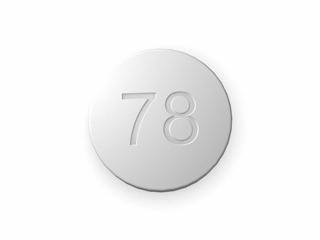
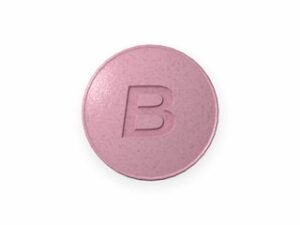
Ovral (Ethinyl estradiol / Norgestrel) — Patient Information
Ovral is a combined oral contraceptive (COC) containing ethinyl estradiol and norgestrel. It is used by many people to help prevent pregnancy and, in some situations, to manage certain hormone-related symptoms. This guide explains how Ovral works, how it’s used, what to expect, and important safety information for users in Australia.
| Product name | Ovral |
|---|---|
| Active ingredients | Ethinyl estradiol + Norgestrel |
| Medicine type | Combined oral contraceptive (estrogen + progestin) |
| How it’s taken | Oral tablets on a repeating cycle |
| Main use | Contraception (pregnancy prevention); may help with some hormone-related conditions |
| Key considerations | Blood clot risk, smoking, migraine, and drug interactions |
Basic product information
Ovral contains two hormones:
- Ethinyl estradiol (an estrogen)
- Norgestrel (a progestin; a synthetic form of progesterone activity)
Combined oral contraceptives like Ovral work by altering normal ovarian hormone signals, changing cervical mucus, and helping stabilise the uterine lining. When used correctly, they are highly effective at preventing pregnancy.
Availability in Australia: Ovral is an established contraceptive brand internationally. Stock availability can vary between online pharmacies and wholesalers. If you’re unable to find Ovral in stock, your pharmacist can advise suitable alternatives with similar dosing and hormone levels.
Mechanism of action (how Ovral works)
Ovral prevents pregnancy through several coordinated effects:
- Inhibits ovulation: Combined hormones reduce the release of follicle-stimulating hormone (FSH) and luteinising hormone (LH), helping prevent an egg from being released.
- Thickens cervical mucus: Norgestrel helps make cervical mucus less permeable to sperm.
- Alters the endometrium: Changes in the uterine lining make implantation less likely.
Even though Ovral primarily functions to prevent ovulation and fertilisation, its overall contraceptive effectiveness depends strongly on taking tablets consistently.
Pharmacokinetics (absorption, distribution, metabolism, elimination)
While exact values may differ between individuals, combined oral contraceptives generally follow similar pharmacokinetic principles:
Absorption
Ethinyl estradiol and norgestrel are absorbed from the gastrointestinal tract after oral dosing. Blood levels rise after ingestion, and consistent daily intake supports stable hormone levels.
Distribution
Both hormones bind to plasma proteins. Ethinyl estradiol is known to bind strongly to sex hormone–binding globulin (SHBG), affecting circulating hormone fractions.
Metabolism
They are primarily metabolised in the liver. Enzyme activity (including certain drug interactions) can influence hormone levels and effectiveness.
Elimination
Metabolites are excreted via bile and urine. Hormone clearance is influenced by liver function and interacting medicines.
Clinical meaning: If hormones are reduced (for example, due to enzyme-inducing medicines or severe vomiting/diarrhoea), ovulation prevention may be less reliable—hence the importance of interaction checks and adherence.
Typical use in Australia
Ovral is used to:
- Prevent pregnancy (contraception)
- Provide cycle control for some users (e.g., more regular bleeding patterns)
- Help with certain hormone-related conditions as advised by a clinician (availability and suitability vary)
Important: Not every person can use combined oral contraceptives safely. Your suitability depends on personal and family medical history, risk factors (such as smoking, migraines, high blood pressure, clot history), and current medications.
How to take Ovral: dosing and timing
Ovral is taken as a repeating course. Your specific pack format may vary by country and manufacturer; follow the exact instructions provided with your Ovral pack.
General dosing principles
- Take one tablet daily, at about the same time each day.
- Complete the course as directed on your pack (active tablets and any placebo-free interval, if included).
- If you miss tablets, follow the “missed dose” guidance in the product information supplied with your medication.
Starting Ovral
Common starting options include:
- Start at the beginning of your menstrual bleed (often provides contraceptive protection quickly).
- Start any time if pregnancy can reasonably be excluded, using additional contraception for a period (as recommended in the product information).
If you begin outside the first days of bleeding, you may need extra protection (e.g., condoms) for a short time. Your pharmacist can help confirm the safest approach based on your timing and history.
Timing tips
- Pick a time aligned with a daily routine (breakfast, brushing teeth, bedtime).
- Use phone alarms or calendar reminders.
- If you vomit soon after taking a dose or have severe diarrhoea, absorption may be reduced—check the product instructions for what to do.
Food interactions
Food usually does not meaningfully affect absorption of combined oral contraceptives for most people. You can generally take Ovral with or without food.
However:
- If you vomit shortly after taking a tablet, the tablet may not have been absorbed.
- If you have severe diarrhoea, absorption may be reduced.
Practical action: Follow the advice for missed doses in your pack instructions and use backup contraception (for example, condoms) until you are back on track and protected.
Alcohol and medicine interactions
Alcohol
Moderate alcohol intake is not generally expected to directly reduce contraceptive effectiveness. The main concerns are:
- Vomiting after heavy alcohol consumption
- Forgetting doses due to intoxication
- Indirect effects such as dehydration and missed routine
If you drink heavily and vomit or miss tablets, check whether you need extra contraception and whether you should use emergency contraception.
Medicine interactions (very important)
Certain medicines can reduce the contraceptive effect of combined oral contraceptives. Some of these effects can last for days to weeks, depending on the medicine.
Medicines that may reduce Ovral effectiveness include:
- Enzyme-inducing medicines (examples include some anti-seizure medicines and certain tuberculosis medications)
- Some antibiotics may have interaction potential in certain situations (most do not, but check)
- Herbal products such as St John’s wort
- Antifungal and antiviral medicines may interact depending on the regimen
Medicines where Ovral can affect levels (bidirectional interactions) also exist. Always review interactions with a pharmacist when starting, stopping, or changing any medicine.
Guidance: If you need to take a medicine that interacts with COCs, your pharmacist may recommend backup contraception during treatment and for a period after stopping the interacting medicine.
Indications (what Ovral is used for)
Ovral is indicated for:
- Contraception to reduce the risk of pregnancy
- Cycle control and management of some symptoms related to hormone fluctuations (where appropriate and suitable)
Whether Ovral is the best choice for you depends on your medical history, risk factors (including clot risk), and personal preferences.
Safety profile and important warnings
Like all combined hormonal contraceptives, Ovral has potential risks. Most people use COCs without serious problems, but it’s essential to understand the warnings.
Blood clot (thrombosis) risk
Combined oral contraceptives can increase the risk of blood clots compared with not using COCs. The risk is typically highest:
- When starting a COC or restarting after a break
- If you have additional risk factors
Seek urgent medical attention if you experience:
- Chest pain or sudden shortness of breath
- Severe headache or weakness/numbness on one side
- Vision changes (e.g., sudden loss of vision)
- Leg pain/swelling (especially one-sided)
Smoking
Smoking increases cardiovascular risk when combined with estrogen-containing contraception. COCs may be unsuitable for smokers—especially those aged 35 years and older. If you smoke, discuss safer options with a healthcare professional.
Migraine
Ovral may not be suitable if you have:
- Migraine with aura
- Frequent or severe migraines
High blood pressure
Estrogen-containing contraception may worsen blood pressure or increase risk. COCs may not be appropriate if you have uncontrolled hypertension.
Jaundice, liver disease, and certain hormonal conditions
Estrogen and progestin can be inappropriate in certain liver conditions or when there is active liver disease. If you have past liver problems or abnormal liver function, ask a pharmacist for advice before use.
Breast cancer and other hormone-sensitive conditions
Hormonal contraceptives can be a concern in some hormone-sensitive conditions. Your suitability depends on your personal history and risk factors.
Breakthrough bleeding (spotting)
Some spotting or irregular bleeding can occur, particularly in the first few months. This often improves with time, but persistent or heavy bleeding should be assessed.
Common side effects
- Nausea
- Breast tenderness
- Headache
- Mood changes
- Changes in bleeding pattern (spotting or lighter/more regular periods)
Many side effects reduce after the first 2–3 cycles. If side effects are severe or persistent, talk to a pharmacist about possible adjustments or alternatives.
Practical use tips (to maximise effectiveness)
- Be consistent: Take the tablet daily without skipping.
- Use reminders: alarms, apps, or calendar notifications.
- Plan for sickness: If you’re unwell with vomiting/diarrhoea, know how you will handle backup contraception.
- Carry backup protection: Condoms can help in situations where a dose is missed.
- Keep a medicine list: Include all prescriptions, over-the-counter medicines, and supplements for interaction checking.
- Don’t rely on “catch-up” by doubling without following the pack’s missed-dose instructions.
Missed dose guidance (general overview)
If you miss one or more tablets, contraceptive protection may be reduced. The correct action depends on:
- How many tablets were missed
- Which week/day of the pack you’re in
- Whether it’s near the start or end of the pack
Important: Always follow the missed-dose instructions included with your Ovral pack. If you’re unsure, contact your pharmacist. In many situations, you may need:
- Take the most recent missed tablet as directed
- Continue the rest of the pack at the usual time
- Use backup contraception for a defined period
- Consider emergency contraception if you had unprotected sex during the high-risk window
Alternative options
Ovral is one option within the broader range of contraception. Alternatives depend on your preferences, medical suitability, and convenience.
Other combined oral contraceptives
If Ovral isn’t suitable (e.g., due to side effects or interactions), there may be other estrogen-progestin pills with different doses or progestin types.
Progestogen-only methods
Options may include:
- Progestogen-only pill (POP)
- Hormonal implant
- Hormonal injection
- Hormonal intrauterine device (IUD)
These may be preferred if estrogen is not suitable for you.
Non-hormonal methods
- Copper IUD
- Barrier methods (condoms, diaphragms)
If you’re considering switching, ask a pharmacist about overlap and timing so you remain protected.
Market and legal context for Australia
In Australia, contraceptives and other prescription and regulated medicines are supplied under national and state/territory healthcare frameworks. Online pharmacies must comply with Australian laws and regulations, including medicine supply rules, patient eligibility checks, and product traceability.
Availability: Many contraceptives are distributed through pharmacy channels and may require specific documentation depending on the product classification and the online pharmacy’s processes.
Important note: If you have any questions about suitability, side effects, or interactions, talk to a pharmacist. They can also help you understand safe use and whether an alternative would be better.
Recent guidance and ongoing updates (what to watch for)
Contraceptive guidance can evolve based on emerging safety data, updated prescribing information, and regulatory updates. Topics commonly reviewed include:
- Cardiovascular and clot risk assessment
- Use in smokers and people with migraine
- Updated recommendations around interacting medicines (including enzyme inducers)
- Advice on missed tablets and emergency contraception timing
Tip: When you receive a new Ovral pack, check that the patient information sheet and dosage schedule are consistent with your current instructions. If you were previously advised differently, ask your pharmacist to confirm.
Delivery, availability, and ordering (Australia)
Online pharmacies in Australia typically deliver within regional and metropolitan areas, with delivery times varying by location and stock status. Availability can depend on the manufacturer’s supply and demand.
- Stock levels: If Ovral is currently out of stock, some pharmacies can suggest close alternatives.
- Packaging: Medicines are usually supplied in manufacturer packaging with relevant patient information.
- Tracking: Many retailers provide tracking once the order is dispatched.
- Discreet delivery: Packaging is commonly plain and non-descriptive to help maintain privacy.
Storage: Keep tablets in the original packaging, store below 25°C (unless your pack states otherwise), and protect from moisture. Keep out of reach of children.
FAQ: Ovral (Ethinyl estradiol / Norgestrel)
1) How effective is Ovral?
When taken correctly (daily, at the right time, with no missed tablets), combined oral contraceptives are highly effective. Effectiveness decreases if you miss doses, experience vomiting/diarrhoea soon after taking a tablet, or use interacting medicines.
2) What should I do if I miss a tablet?
Follow the missed-dose instructions specific to your Ovral pack. In general, you may need to take the missed tablet as soon as you remember, continue the pack, and use backup contraception for a short period. If you had unprotected sex, emergency contraception may be considered depending on timing and number of missed tablets.
3) Can I take Ovral with food?
Yes. Food usually does not significantly affect absorption. If you vomit soon after taking your tablet, or you have severe diarrhoea, absorption may be reduced—check the patient information in your pack for advice.
4) Does alcohol affect Ovral?
Moderate alcohol usually does not directly reduce effectiveness. The main risks are missing tablets and vomiting after heavy drinking. If you vomit or miss doses, follow the missed-dose guidance and consider backup contraception.
5) What medicines can interfere with Ovral?
Some medicines—including certain anti-seizure medicines, tuberculosis treatments, and herbal products like St John’s wort—can reduce contraceptive effectiveness. Always check with a pharmacist when starting any new medicine or supplement.
6) Can I use Ovral if I have migraines?
Suitability depends on your migraine type. People with migraine with aura may be at increased risk with estrogen-containing contraception. Discuss your migraine history with a pharmacist to find the safest option.
7) What side effects are common?
Common side effects include nausea, breast tenderness, headaches, mood changes, and changes in bleeding. Many improve after the first 2–3 cycles. Seek help urgently for warning signs of blood clots (chest pain, shortness of breath, one-sided weakness, severe headache, or leg swelling).
8) How long does it take for Ovral to start working?
It depends on when you start relative to your menstrual cycle. Starting at the beginning of bleeding often provides quicker protection. If you start later, backup contraception may be needed for a defined period—confirm the exact timing with the pack instructions or your pharmacist.
9) What if I want to stop Ovral?
You can stop at any time. Fertility may return quickly, depending on your cycle. If you’re switching to another method, ensure you transition correctly to maintain protection.
10) When should I seek urgent medical care?
Get urgent help if you have symptoms suggestive of a blood clot (chest pain, breathlessness, coughing blood, severe headache, vision changes, weakness/numbness on one side, or leg swelling/pain), or if you suspect pregnancy.
Summary
Ovral (ethinyl estradiol / norgestrel) is a combined oral contraceptive used primarily for pregnancy prevention and, for some users, cycle control. It works by reducing ovulation, thickening cervical mucus, and altering the uterine lining. To get the best results, take one tablet daily at the same time and be alert to missed doses, vomiting/diarrhoea, and medicine interactions that can reduce effectiveness.
If you have questions about suitability, side effects, or interactions—especially with other medicines or herbal supplements—speak with a pharmacist. They can help you choose the safest and most reliable contraception option for your situation in Australia.