
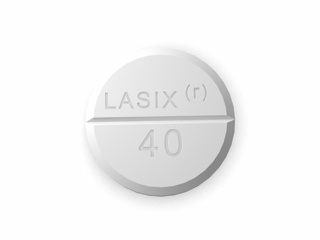


Lasix (Furosemide) – Patient Information (Australia)
Lasix is a brand of furosemide, a medicine used to treat fluid retention (swelling) and certain heart and kidney-related conditions. It belongs to a group of medicines called loop diuretics, which help the body remove excess salt and water through the kidneys.
This page provides patient-friendly information about how Lasix works, when it’s used, how it’s usually taken, important safety considerations, and practical tips to help you use it confidently in Australia.
Quick Facts
- Active ingredient: Furosemide
- Medicine type: Loop diuretic (water tablet)
- Common reasons for use: Fluid retention, oedema, heart failure, certain kidney or liver conditions
- How it works: Increases salt and water removal by the kidneys
- Common side effects: Increased urination, dizziness, low potassium or sodium
- Key monitoring: Electrolytes (potassium/sodium), kidney function, blood pressure
Basic Product Information
| Category | Information |
|---|---|
| Brand name | Lasix |
| Generic name | Furosemide |
| Drug class | Loop diuretic |
| Typical formulation | Tablets and (in some settings) injectable forms |
| ATC (therapeutic class) | C03CA01 (loop diuretics) |
| Therapeutic goals | Reduce swelling/fluid overload, relieve symptoms, support cardiovascular function |
Note: Different products and strengths may exist. Always check the label on your specific pack and follow the dosing directions provided with your medicine.
How Lasix Works (Mechanism of Action)
Furosemide works primarily in the kidneys. It blocks the Na-K-2Cl (NKCC2) transporter in the thick ascending limb of the loop of Henle. This reduces reabsorption of sodium, potassium, and chloride, so more of these salts remain in the urine.
Because salt stays in the urine, water removal increases. The result is:
- Increased urination (diuresis)
- Lower body fluid volume
- Reduced oedema (swelling)
- Relief of symptoms related to fluid overload, such as breathlessness from fluid in the lungs (in appropriate clinical contexts)
Lasix also contributes to short-term venous and arterial effects in some patients, which may improve symptoms in acute fluid overload. Over time, the main effect remains increased excretion of salt and water.
Pharmacokinetics (How the Body Processes Lasix)
Pharmacokinetics describes what the body does with a medicine—how it’s absorbed, distributed, metabolised, and eliminated.
Absorption
- Oral tablets: Absorption occurs through the gastrointestinal tract.
- Onset of effect: Diuretic effect generally begins within about 1 hour after oral dosing, depending on the individual and formulation.
Distribution
- Furosemide binds significantly to plasma proteins and distributes into body tissues.
Metabolism
- It is metabolised partially, with a proportion excreted in active or transformed forms.
Excretion
- Furosemide and its metabolites are mainly eliminated via the kidneys (including active secretion into the renal tubules).
- In kidney impairment, doses may need adjustment and monitoring becomes more important.
Duration: The diuretic effect may last for several hours. The exact duration varies by dose, kidney function, and whether you take it once or multiple times per day.
Typical Uses in Australia
Lasix (furosemide) is used for conditions where reducing fluid retention is beneficial. Common indications include:
- Oedema associated with:
- Congestive heart failure (to reduce swelling and fluid overload)
- Renal disorders with fluid retention
- Hepatic conditions (e.g., oedema in certain liver diseases)
- Hypertension in selected cases (usually not first-line; used depending on overall treatment plan)
- Other specialist indications where fluid and electrolyte management is required
Whether Lasix is appropriate depends on your overall diagnosis, kidney function, electrolyte levels, blood pressure, and other medicines you take.
Timing: When to Take Lasix
Because Lasix increases urination, timing can be important for comfort and safety.
- Morning dosing is common to reduce the need to urinate overnight.
- If you’re prescribed more than once daily, spacing doses may help reduce nighttime urination (your pharmacist or prescriber can advise).
- Try to take your doses at consistent times each day.
Practical tip: If you notice frequent bathroom trips soon after a dose, plan your day around that window—especially if you drive, work, or need to travel.
Food Interactions
Food may affect how quickly some medicines are absorbed. For furosemide, the general guidance is:
- It may be taken with or without food, but follow your label directions.
- If your stomach feels unsettled, taking Lasix with a light meal can help some people.
- If you notice consistent changes in effect when you take it with/without food, discuss this with your pharmacist.
Sodium (salt) intake: A diet high in salt can counteract the effects of diuretics. In swelling conditions, clinicians often advise limiting dietary salt. Follow any dietary recommendations you receive.
Alcohol Interactions
Alcohol can increase the risk of dizziness, dehydration, and low blood pressure when you are taking diuretics.
- Avoid or limit alcohol, especially when you’re adjusting to a new dose.
- Be cautious if you also take other blood pressure-lowering medicines or medications that affect balance.
- If you feel light-headed, stand up slowly and do not drive until you feel steady.
Medicine Interactions (Important)
Lasix can interact with other medicines, affecting electrolytes, kidney function, blood pressure, and hearing. Inform your pharmacist or doctor about all medicines and supplements you use.
Medicines that may increase risk of low potassium (hypokalaemia)
- Corticosteroids (e.g., prednisone)
- Some laxatives used frequently
- Other diuretics (depending on the regimen)
Medicines that may increase risk of kidney strain
- NSAIDs (e.g., ibuprofen, naproxen, diclofenac): can reduce diuretic effect and affect kidney function in some patients.
- Certain antibiotics (some cephalosporins may increase kidney risk in combination with high-dose furosemide).
- Some contrast agents used in imaging may increase kidney risk; discuss with your healthcare team if you have planned procedures.
Medicines requiring caution due to electrolyte effects
- Digoxin: low potassium and low magnesium can increase the risk of digoxin toxicity.
- Antiarrhythmics (medicines for irregular heart rhythms): electrolyte changes can increase arrhythmia risk.
- Lithium: may reduce lithium clearance and increase lithium levels.
Blood pressure medicines
- Combining with other antihypertensives may increase the risk of low blood pressure, particularly when starting or changing doses.
Diabetes medicines
- Diuretics can affect blood glucose control in some people. Monitoring may be needed.
Hearing-related risk (rare but important)
- High doses or rapid intravenous administration, especially with severe kidney impairment, can increase the risk of hearing changes or tinnitus in rare cases. Seek medical advice promptly if these occur.
Always check: If you take over-the-counter medicines such as NSAIDs, ensure you discuss whether they are suitable for you while using Lasix.
Dosing: How Much and How Often?
Dosing is tailored to the condition being treated, your kidney function, your blood pressure, and your electrolyte levels. A common approach involves starting at a dose that achieves symptom control while minimising side effects.
Important: Follow the dosing directions on your medicine label. Do not change the dose or stop Lasix without advice.
General principles used by clinicians
- Start low and adjust based on response and monitoring.
- For swelling, dosing aims to reduce oedema while maintaining safe fluid and electrolyte levels.
- In some cases, doses are adjusted after reviewing blood tests and your symptoms.
- Sometimes dosing is given once or twice daily depending on severity and how you respond.
Missed dose
- If you miss a dose, take it when you remember unless it’s close to your next dose.
- Do not take a double dose to make up for a missed tablet.
- If you’re unsure, ask your pharmacist.
Stopping Lasix
Stopping diuretics abruptly can cause fluid retention to return. If you experience side effects or think you need to stop, contact a healthcare professional for safe guidance.
Safety Profile: What to Watch For
Lasix can be very effective, but it affects fluid balance and electrolytes, so safety monitoring is essential.
Common side effects
- Increased urination (expected)
- Dizziness, especially after standing
- Headache
- Muscle cramps or weakness (possible electrolyte changes)
- Low blood pressure (may cause light-headedness)
Potential electrolyte and kidney-related effects
- Low potassium (hypokalaemia): cramps, weakness, palpitations
- Low sodium (hyponatraemia): confusion, tiredness, headaches (seek medical advice)
- Dehydration: thirst, reduced urine, dizziness
- Changes in kidney function: may show up on blood tests
Less common but important risks
- Rash or allergic reactions
- Reduced hearing or tinnitus (rare; risk increases with high doses, rapid administration, or severe kidney impairment)
Seek urgent medical help if you have
- Fainting or severe dizziness
- Severe weakness, confusion, or a sudden change in mental state
- Signs of an electrolyte imbalance, such as irregular heartbeat or muscle paralysis
- Allergic symptoms: swelling of face/lips, trouble breathing, widespread rash
- Very little or no urine output
Practical Use Tips (Patient-Friendly)
These tips can help you use Lasix safely and comfortably.
- Take it at the right time: Usually earlier in the day to reduce nighttime urination.
- Stand up slowly: Especially after doses, to reduce dizziness from blood pressure changes.
- Hydration matters: Don’t over-drink or under-drink—follow your clinician’s guidance, especially if you have heart failure or kidney disease.
- Monitor swelling and weight: Track your weight if you’ve been advised. Sudden rapid changes may signal fluid shifts.
- Watch salt intake: High dietary salt can worsen fluid retention.
- Keep appointments for blood tests: Electrolytes and kidney function may need monitoring.
- Be careful with OTC medicines: Particularly NSAIDs (ibuprofen/naproxen) and some supplements.
When you should contact your pharmacist or clinician:
- If you’re getting frequent dizziness
- If you develop muscle cramps or palpitations
- If you notice reduced urine output with increased thirst or light-headedness
- If you are unwell (vomiting, diarrhoea, fever), because dehydration can affect safety
Alternative Options (If Lasix Isn’t Suitable)
Depending on the underlying condition, your clinician may consider alternatives. Options can include:
Other diuretics
- Thiazide or thiazide-like diuretics (e.g., hydrochlorothiazide, indapamide)
- Potassium-sparing diuretics (e.g., spironolactone, eplerenone)
- Other loop diuretics (e.g., bumetanide, torsemide—availability varies)
Non-diuretic strategies
- Adjustments to heart failure therapy (e.g., guideline-based heart failure medicines)
- Dietary management (salt restriction, fluid guidance where appropriate)
- Treating the underlying cause of fluid retention (e.g., kidney or liver issues)
Your healthcare team will choose the option that best balances symptom relief with safety for your kidney function and electrolyte levels.
Market and Legal Context for Australia
In Australia, furosemide products are supplied according to the relevant rules for medicines. Your ability to purchase or refill may depend on your health needs and the requirements in your state/territory, as well as the specific product’s classification.
Key points for Australian customers:
- Quality and regulation: Medicines sold in Australia must meet regulatory requirements administered by the Australian Therapeutic Goods Administration (TGA).
- Safety monitoring: Because diuretics affect electrolytes and kidney function, clinicians often recommend follow-up and blood tests.
- Trusted advice: If you’re unsure about dosing, interactions, or side effects, speak with a pharmacist—especially if you have kidney disease, diabetes, or heart conditions.
Recent guidance: In general, contemporary clinical practice emphasises careful monitoring of kidney function and electrolytes, appropriate timing of dosing to reduce nocturia, and cautious use with medicines that can affect renal function or potassium levels.
Delivery and Availability (Online Pharmacy)
Availability can vary depending on stock and formulation strength. Typical online pharmacy delivery options may include:
- Standard delivery: Delivered within a business-day timeframe set by the pharmacy.
- Express delivery: For eligible orders in major metro areas.
- Tracking: Most orders provide tracking information.
To ensure safe delivery and correct medication use:
- Check that the strength and dosage form match your usual product.
- Keep medicines in original packaging when possible.
- Store at recommended temperatures (refer to the pack label).
Storage tip: Keep Lasix in a cool, dry place away from direct sunlight, and store out of reach of children.
FAQ – Frequently Asked Questions
1) How soon will Lasix start working?
For most people taking oral furosemide, effects often begin within about 1 hour. Urination may increase shortly after the dose. The strength and timing can vary with dose and individual factors.
2) Why do I feel dizzy after taking Lasix?
Dizziness may happen because Lasix lowers fluid volume and can reduce blood pressure. This is more likely when you stand up quickly or when you’re dehydrated. If dizziness is severe or persistent, contact a healthcare professional.
3) Can I take Lasix with food?
Many people can take furosemide with or without food. If it upsets your stomach, taking it with a light meal may help. Always follow the instructions on your specific product label.
4) Does Lasix affect potassium?
Yes. Lasix can lower potassium levels. Your clinician may request blood tests and may recommend dietary adjustments or potassium supplementation in some cases.
5) What happens if I miss a dose?
Take it when you remember unless it is close to your next dose. Do not take a double dose. If you’re uncertain, ask your pharmacist for advice tailored to your schedule.
6) Is it safe to take ibuprofen (or other NSAIDs) while on Lasix?
NSAIDs can reduce diuretic effectiveness and may increase kidney-related risks. It’s best to discuss NSAID use with your pharmacist or clinician before taking it regularly or at higher doses.
7) Will Lasix help weight loss?
Lasix removes fluid, not body fat. Changes in scale weight may reflect fluid shifts. Do not use diuretics for weight-loss purposes, and seek medical advice if you’re trying to manage weight.
8) Should I drink extra water to prevent dehydration?
It depends on your underlying condition (e.g., heart failure or kidney disease). In some cases, you may need controlled fluids rather than extra water. Follow personalised advice from your healthcare team.
9) Can I drink alcohol while taking Lasix?
Alcohol may increase dizziness and dehydration and can worsen low blood pressure. If you choose to drink, keep it limited and be extra cautious. Seek advice if you experience light-headedness.
10) What blood tests are commonly monitored?
Often, clinicians monitor electrolytes (sodium, potassium, sometimes magnesium), kidney function (creatinine/eGFR), and sometimes other related measures depending on your condition.
Summary
Lasix (furosemide) is a loop diuretic used to treat fluid retention and swelling related to heart, kidney, or liver conditions. It works by increasing the excretion of salt and water in the kidneys. Because it can affect blood pressure and electrolyte balance, safe use typically involves careful dosing, appropriate timing (often in the morning), monitoring kidney function and electrolytes, and awareness of interactions—especially with NSAIDs and medicines that influence potassium.
If you have questions about how to take Lasix, what to expect, or what interactions may apply to you, speak with a pharmacist or clinician. Your safety and comfort are important, and the right approach can help you get the benefits while reducing risks.